SOLDES
Jusqu'à -70% sur une sélection d'articles*

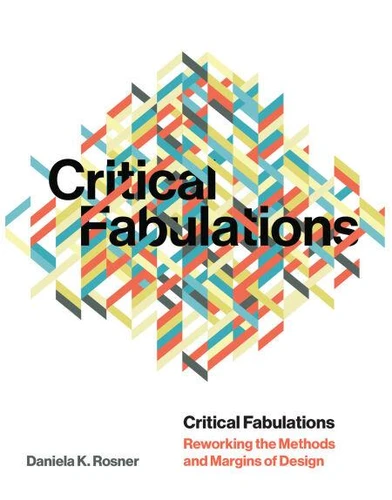
Critical Fabulations. Reworking the Methods and Margins of Design
Par :Formats :
Disponible dans votre compte client Decitre ou Furet du Nord dès validation de votre commande. Le format ePub protégé est :
- Compatible avec une lecture sur My Vivlio (smartphone, tablette, ordinateur)
- Compatible avec une lecture sur liseuses Vivlio
- Pour les liseuses autres que Vivlio, vous devez utiliser le logiciel Adobe Digital Edition. Non compatible avec la lecture sur les liseuses Kindle, Remarkable et Sony
- Non compatible avec un achat hors France métropolitaine
 , qui est-ce ?
Notre partenaire de plateforme de lecture numérique où vous retrouverez l'ensemble de vos ebooks gratuitement
Pour en savoir plus sur nos ebooks, consultez notre aide en ligne ici
C'est si simple ! Lisez votre ebook avec l'app Vivlio sur votre tablette, mobile ou ordinateur :

- Nombre de pages212
- FormatePub
- ISBN978-0-262-34641-2
- EAN9780262346412
- Date de parution17/07/2018
- Protection num.Adobe DRM
- Taille5 Mo
- Infos supplémentairesepub
- ÉditeurThe MIT Press
Résumé
A proposal to redefine design in a way that not only challenges the field's dominant paradigms but also changes the practice of design itself. In Critical Fabulations, Daniela Rosner proposes redefining design as investigative and activist, personal and culturally situated, responsive and responsible. Challenging the field's dominant paradigms and reinterpreting its history, Rosner wants to change the way we historicize the practice, reworking it from the inside.
Focusing on the development of computational systems, she takes on powerful narratives of innovation and technology shaped by the professional expertise that has become integral to the field's mounting status within the new industrial economy. To do so, she intervenes in legacies of design, expanding what is considered "design" to include long-silenced narratives of practice, and enhancing existing design methodologies based on these rediscovered inheritances.
Drawing on discourses of feminist technoscience, she examines craftwork's contributions to computing innovation-how craftwork becomes hardware manufacturing, and how hardware manufacturing becomes craftwork. She reclaims, for example, NASA's "Little Old Ladies, " the women who built information storage for the Apollo missions by weaving wires through magnetized metal rings. Mixing history, theory, personal experience, and case studies, Rosner reweaves fibers of technoscience by slowly reworking the methods and margins of design.
She suggests critical fabulations as ways of telling stories that awaken alternative histories, and offers a set of techniques and orientations for fabulating its future. Critical Fabulations shows how design's hidden inheritances open different possibilities for practice.
Focusing on the development of computational systems, she takes on powerful narratives of innovation and technology shaped by the professional expertise that has become integral to the field's mounting status within the new industrial economy. To do so, she intervenes in legacies of design, expanding what is considered "design" to include long-silenced narratives of practice, and enhancing existing design methodologies based on these rediscovered inheritances.
Drawing on discourses of feminist technoscience, she examines craftwork's contributions to computing innovation-how craftwork becomes hardware manufacturing, and how hardware manufacturing becomes craftwork. She reclaims, for example, NASA's "Little Old Ladies, " the women who built information storage for the Apollo missions by weaving wires through magnetized metal rings. Mixing history, theory, personal experience, and case studies, Rosner reweaves fibers of technoscience by slowly reworking the methods and margins of design.
She suggests critical fabulations as ways of telling stories that awaken alternative histories, and offers a set of techniques and orientations for fabulating its future. Critical Fabulations shows how design's hidden inheritances open different possibilities for practice.