SOLDES
Jusqu'à -70% sur une sélection d'articles*

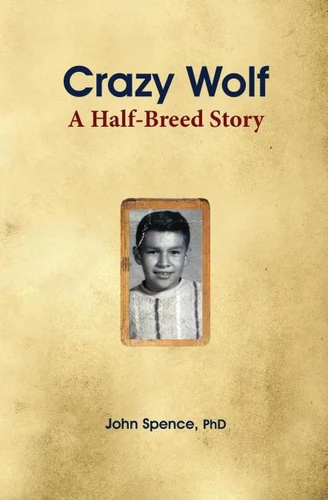
Crazy Wolf: A Half-Breed Story
Par :Formats :
Disponible dans votre compte client Decitre ou Furet du Nord dès validation de votre commande. Le format ePub est :
- Compatible avec une lecture sur My Vivlio (smartphone, tablette, ordinateur)
- Compatible avec une lecture sur liseuses Vivlio
- Pour les liseuses autres que Vivlio, vous devez utiliser le logiciel Adobe Digital Edition. Non compatible avec la lecture sur les liseuses Kindle, Remarkable et Sony
 , qui est-ce ?
Notre partenaire de plateforme de lecture numérique où vous retrouverez l'ensemble de vos ebooks gratuitement
Pour en savoir plus sur nos ebooks, consultez notre aide en ligne ici
C'est si simple ! Lisez votre ebook avec l'app Vivlio sur votre tablette, mobile ou ordinateur :

- FormatePub
- ISBN978-1-7363843-2-9
- EAN9781736384329
- Date de parution14/03/2021
- Protection num.pas de protection
- Infos supplémentairesepub
- ÉditeurKyla Merwin
Résumé
This is a story of resilience and healing in Indian Country. John Spence, (Gros Ventre/Sioux), MSW, PhD, grew up without parents amid the poverty and racism confronting Indian families on and near the Fort Belknap Indian Reservation in Montana and in a low-income housing project in Seattle. Growing up as a parentless, half-breed Indian kid during the 1940s and 50s, he recounts how some older relatives and adult mentors influenced him in a positive direction.
This led him to attend college in the 1960s when few American Indians were involved in higher education. He taught for 20 years in the School of Social Work at Portland State University and has now worked for over 50 years as a counselor, teacher, and community organizer. Since 2009, John has helped provide therapeutic horsemanship workshops for hundreds of tribal youth in Oregon. He also describes how he became an ocean lifeguard, US Marine, rugby player, rodeo rider, and triathlete.
Throughout this story he describes how his relationships within the reservation and urban Indian communities contributed to his 38 years of sobriety and his activism within the greater healing movement in contemporary Indian Country.
This led him to attend college in the 1960s when few American Indians were involved in higher education. He taught for 20 years in the School of Social Work at Portland State University and has now worked for over 50 years as a counselor, teacher, and community organizer. Since 2009, John has helped provide therapeutic horsemanship workshops for hundreds of tribal youth in Oregon. He also describes how he became an ocean lifeguard, US Marine, rugby player, rodeo rider, and triathlete.
Throughout this story he describes how his relationships within the reservation and urban Indian communities contributed to his 38 years of sobriety and his activism within the greater healing movement in contemporary Indian Country.