SOLDES
Jusqu'à -70% sur une sélection d'articles*

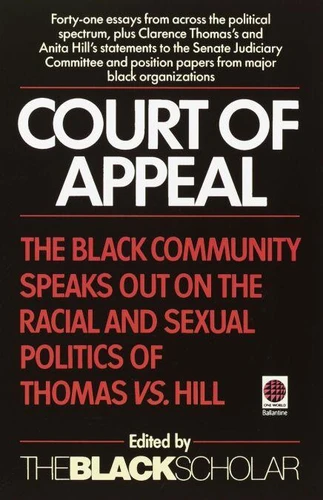
Court of Appeal. The Black Community Speaks Out on the Racial and
Par :Formats :
Disponible dans votre compte client Decitre ou Furet du Nord dès validation de votre commande. Le format ePub protégé est :
- Compatible avec une lecture sur My Vivlio (smartphone, tablette, ordinateur)
- Compatible avec une lecture sur liseuses Vivlio
- Pour les liseuses autres que Vivlio, vous devez utiliser le logiciel Adobe Digital Edition. Non compatible avec la lecture sur les liseuses Kindle, Remarkable et Sony
- Non compatible avec un achat hors France métropolitaine
 , qui est-ce ?
Notre partenaire de plateforme de lecture numérique où vous retrouverez l'ensemble de vos ebooks gratuitement
Pour en savoir plus sur nos ebooks, consultez notre aide en ligne ici
C'est si simple ! Lisez votre ebook avec l'app Vivlio sur votre tablette, mobile ou ordinateur :

- Nombre de pages290
- FormatePub
- ISBN978-0-307-77546-7
- EAN9780307775467
- Date de parution22/12/2010
- Protection num.Adobe DRM
- Taille2 Mo
- Infos supplémentairesepub
- ÉditeurBallantine Books
Résumé
Forty-one essays from across the political spectrum, plus Clarence Thomas's and Anita Hill's statements to the Senate Judiciary Committee and position papers from major black organizationsDespite the intense media coverage of the confirmation hearings of Supreme Court Justice Clarence Thomas, one aspect seemed continually sidestepped: the response of African Americans to this televised investigation of race, gender, sexuality, and, especially, the black psyche and intra-racial politics.
When the dust settled, and Thomas was confirmed, what did it mean for the black community?Robert Chrisman and Robert L. Allen, the editors of The Black Scholar, the most influential intellectual publication for African Americans, have assembled all the material relevant to understanding the Thomas hearings: a complete chronology of the confirmation process, the statements of both Professor Hill and Justices Thomas, and essays by prominent African Americans, including Maya Angelou, Derrick Bell, Julian Bond, Rosemary Bray, Beverly Guy-Sheftall, Calvin Hernton, Gloria T.
Hull, June Jordan, Maulana Karenga, Julianne Malveaux, Orlando Patterson, Barbara Smith, Robert Staples, Ronald W. Walters, and Sarah E. Wright. This provocative collection examines such issues as how African Americans perceive their interests; the disturbing sexual backlash against Professor Hill and what it says about the position of black females; the inability of some members of the Judiciary Committee to comprehend the nature of sexual harassment; the continuing confusion and fixation of white America on black sexuality; and the character, goals, and values of the new generation of post-civil-rights blacks.
Representing voices from arch conservatives to liberals to radicals, this books reaffirms that the black community is the final "court of appeal" in this great debate.
When the dust settled, and Thomas was confirmed, what did it mean for the black community?Robert Chrisman and Robert L. Allen, the editors of The Black Scholar, the most influential intellectual publication for African Americans, have assembled all the material relevant to understanding the Thomas hearings: a complete chronology of the confirmation process, the statements of both Professor Hill and Justices Thomas, and essays by prominent African Americans, including Maya Angelou, Derrick Bell, Julian Bond, Rosemary Bray, Beverly Guy-Sheftall, Calvin Hernton, Gloria T.
Hull, June Jordan, Maulana Karenga, Julianne Malveaux, Orlando Patterson, Barbara Smith, Robert Staples, Ronald W. Walters, and Sarah E. Wright. This provocative collection examines such issues as how African Americans perceive their interests; the disturbing sexual backlash against Professor Hill and what it says about the position of black females; the inability of some members of the Judiciary Committee to comprehend the nature of sexual harassment; the continuing confusion and fixation of white America on black sexuality; and the character, goals, and values of the new generation of post-civil-rights blacks.
Representing voices from arch conservatives to liberals to radicals, this books reaffirms that the black community is the final "court of appeal" in this great debate.