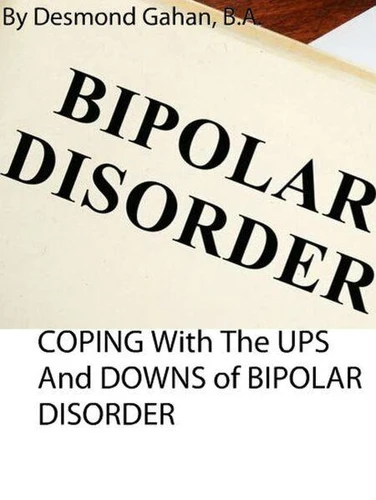
Coping with the Ups and Downs of Bipolar Disorder
Par :Formats :
Disponible dans votre compte client Decitre ou Furet du Nord dès validation de votre commande. Le format ePub est :
- Compatible avec une lecture sur My Vivlio (smartphone, tablette, ordinateur)
- Compatible avec une lecture sur liseuses Vivlio
- Pour les liseuses autres que Vivlio, vous devez utiliser le logiciel Adobe Digital Edition. Non compatible avec la lecture sur les liseuses Kindle, Remarkable et Sony
 , qui est-ce ?
Notre partenaire de plateforme de lecture numérique où vous retrouverez l'ensemble de vos ebooks gratuitement
Pour en savoir plus sur nos ebooks, consultez notre aide en ligne ici
C'est si simple ! Lisez votre ebook avec l'app Vivlio sur votre tablette, mobile ou ordinateur :

- FormatePub
- ISBN978-1-386-02037-0
- EAN9781386020370
- Date de parution09/05/2017
- Protection num.pas de protection
- Infos supplémentairesepub
- ÉditeurRelay Publishing
Résumé
Bipolar disorder used to be called 'manic depression'. As the name suggests, it is characterized by episodes of very low mood or depression and/or high mood or mania. An episode of very low mood/ depression involves feelings of hopelessness and despair. These types of bipolar symptoms can include: Sad, despairing, hopeless feelings Loss of interest in food, work, sex and other people Difficulty sleeping or over-sleeping Chronic aches or pains with no identifiable cause A high mood involves feelings of elation.
This is also known as mania. These types of bipolar symptoms can include: Rapid thoughts and/ or speech Impaired judgement Over-spending/ buying unnecessary items on impulse Unusually high levels of energy and little need for sleep Unrealistic beliefs about one's own abilities A mixed mood involves a mixture of the above symptoms. For example, depressed mood with the restlessness and over activity of a manic episode.
People usually experience both low and high moods, but some will have only high or low episodes. Bipolar disorder affects about one in every 100 adults. It can start at any time during or after the teenage years, although it is unusual for it to start after the age of 40. Men and women are affected equally. ReachOut.com has developed a video with lots more information about bipolar disorder, the supports and support groups available and the ways you can help yourself.
This is also known as mania. These types of bipolar symptoms can include: Rapid thoughts and/ or speech Impaired judgement Over-spending/ buying unnecessary items on impulse Unusually high levels of energy and little need for sleep Unrealistic beliefs about one's own abilities A mixed mood involves a mixture of the above symptoms. For example, depressed mood with the restlessness and over activity of a manic episode.
People usually experience both low and high moods, but some will have only high or low episodes. Bipolar disorder affects about one in every 100 adults. It can start at any time during or after the teenage years, although it is unusual for it to start after the age of 40. Men and women are affected equally. ReachOut.com has developed a video with lots more information about bipolar disorder, the supports and support groups available and the ways you can help yourself.