SOLDES
Jusqu'à -70% sur une sélection d'articles*

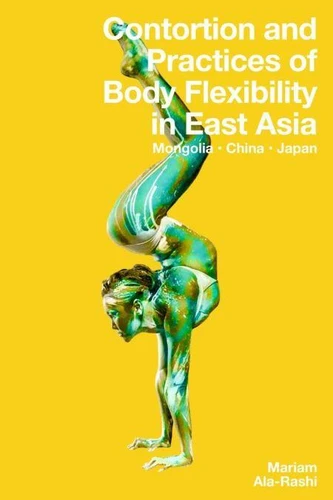
Contortion and Practices of Body Flexibility in East Asia: Mongolia, China, Japan
Par :Formats :
Disponible dans votre compte client Decitre ou Furet du Nord dès validation de votre commande. Le format ePub est :
- Compatible avec une lecture sur My Vivlio (smartphone, tablette, ordinateur)
- Compatible avec une lecture sur liseuses Vivlio
- Pour les liseuses autres que Vivlio, vous devez utiliser le logiciel Adobe Digital Edition. Non compatible avec la lecture sur les liseuses Kindle, Remarkable et Sony
 , qui est-ce ?
Notre partenaire de plateforme de lecture numérique où vous retrouverez l'ensemble de vos ebooks gratuitement
Pour en savoir plus sur nos ebooks, consultez notre aide en ligne ici
C'est si simple ! Lisez votre ebook avec l'app Vivlio sur votre tablette, mobile ou ordinateur :

- FormatePub
- ISBN978-1-958604-06-9
- EAN9781958604069
- Date de parution23/06/2023
- Protection num.pas de protection
- Infos supplémentairesepub
- ÉditeurModern Vaudeville Press
Résumé
This compendium comprises three individual research studies that examine contortion and practices of body flexibility in East Asia, namely China, Mongolia and Japan. It explores the performance art forms Chinese contortion, Mongolian contortion and the Kakubei Jishi lion dance of the Niigata prefecture in Japan which utilizes body flexibility. Common points of discussion in these research studies are the investigation of the history and genesis of these art forms and how they developed in various political and social dynamics.
This work further offers vast knowledge about crucial elements such as the artist's training processes, their training environment, the development of aesthetics, symbolism in costuming and body movements, religious themes, mythology and natural phenomena, and costume designs. This compendium includes data from a wide range of literature, material evidence, oral history, current media reports, and considers recent work in anthropology, archaeology, and political history.
It, therefore, offers the interested reader, the scholar, the contortionist and contortion practitioner a substantial treatise about contortionism and practices of body flexibility.
This work further offers vast knowledge about crucial elements such as the artist's training processes, their training environment, the development of aesthetics, symbolism in costuming and body movements, religious themes, mythology and natural phenomena, and costume designs. This compendium includes data from a wide range of literature, material evidence, oral history, current media reports, and considers recent work in anthropology, archaeology, and political history.
It, therefore, offers the interested reader, the scholar, the contortionist and contortion practitioner a substantial treatise about contortionism and practices of body flexibility.
