SOLDES
Jusqu'à -70% sur une sélection d'articles*

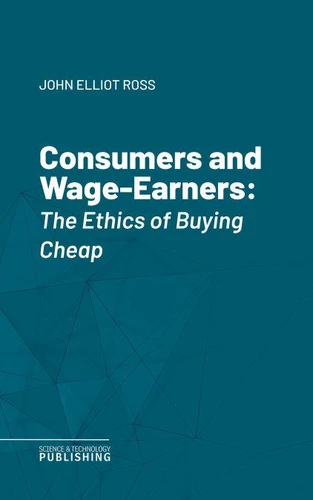
Consumers and Wage-Earners. The Ethics of Buying Cheap
Par :Formats :
Disponible dans votre compte client Decitre ou Furet du Nord dès validation de votre commande. Le format ePub est :
- Compatible avec une lecture sur My Vivlio (smartphone, tablette, ordinateur)
- Compatible avec une lecture sur liseuses Vivlio
- Pour les liseuses autres que Vivlio, vous devez utiliser le logiciel Adobe Digital Edition. Non compatible avec la lecture sur les liseuses Kindle, Remarkable et Sony
 , qui est-ce ?
Notre partenaire de plateforme de lecture numérique où vous retrouverez l'ensemble de vos ebooks gratuitement
Pour en savoir plus sur nos ebooks, consultez notre aide en ligne ici
C'est si simple ! Lisez votre ebook avec l'app Vivlio sur votre tablette, mobile ou ordinateur :

- FormatePub
- ISBN978-2-5281-0972-4
- EAN9782528109724
- Date de parution01/09/2025
- Protection num.pas de protection
- Infos supplémentairesepub
- ÉditeurScience & Technology Publishing
Résumé
Consumers and Wage-Earners: The Ethics of Buying Cheap by Louis Wallis is a thought-provoking exploration of the moral and social implications of consumer choices in the context of early twentieth-century industrial society. The book delves into the complex relationship between consumers, wage-earners, and the broader economic system, raising critical questions about the true cost of inexpensive goods.
Wallis examines how the pursuit of low prices often leads to the exploitation of workers, poor labor conditions, and the perpetuation of poverty, urging readers to consider the ethical dimensions of their purchasing decisions. Through a series of essays and case studies, Wallis analyzes the interconnectedness of economic forces, highlighting the responsibilities of consumers in shaping the labor market and influencing the well-being of wage-earners.
He discusses the impact of mass production, the rise of department stores, and the growing distance between producers and consumers, which often obscures the realities faced by those who manufacture everyday goods. The book challenges the prevailing notion that the primary duty of the consumer is to seek the lowest price, instead advocating for a more conscientious approach that takes into account the human and social costs embedded in the products we buy.
Wallis also explores potential solutions, such as ethical consumerism, fair trade practices, and the role of legislation in protecting workers' rights. He calls for a new sense of social responsibility among consumers, emphasizing the power of collective action and informed choice in promoting justice and equity within the marketplace. Consumers and Wage-Earners: The Ethics of Buying Cheap remains a relevant and insightful work, encouraging readers to reflect on their own habits and the broader consequences of their economic decisions in a rapidly changing world.
Wallis examines how the pursuit of low prices often leads to the exploitation of workers, poor labor conditions, and the perpetuation of poverty, urging readers to consider the ethical dimensions of their purchasing decisions. Through a series of essays and case studies, Wallis analyzes the interconnectedness of economic forces, highlighting the responsibilities of consumers in shaping the labor market and influencing the well-being of wage-earners.
He discusses the impact of mass production, the rise of department stores, and the growing distance between producers and consumers, which often obscures the realities faced by those who manufacture everyday goods. The book challenges the prevailing notion that the primary duty of the consumer is to seek the lowest price, instead advocating for a more conscientious approach that takes into account the human and social costs embedded in the products we buy.
Wallis also explores potential solutions, such as ethical consumerism, fair trade practices, and the role of legislation in protecting workers' rights. He calls for a new sense of social responsibility among consumers, emphasizing the power of collective action and informed choice in promoting justice and equity within the marketplace. Consumers and Wage-Earners: The Ethics of Buying Cheap remains a relevant and insightful work, encouraging readers to reflect on their own habits and the broader consequences of their economic decisions in a rapidly changing world.