SOLDES
Jusqu'à -70% sur une sélection d'articles*

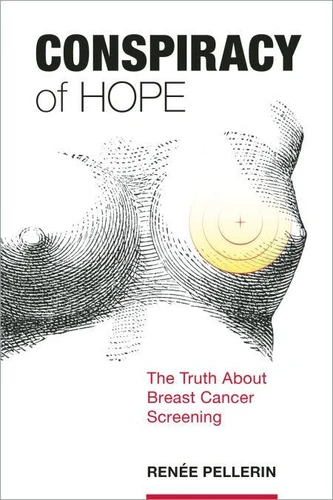
Conspiracy of Hope. The Truth About Breast Cancer Screening
Par :Formats :
Disponible dans votre compte client Decitre ou Furet du Nord dès validation de votre commande. Le format ePub est :
- Compatible avec une lecture sur My Vivlio (smartphone, tablette, ordinateur)
- Compatible avec une lecture sur liseuses Vivlio
- Pour les liseuses autres que Vivlio, vous devez utiliser le logiciel Adobe Digital Edition. Non compatible avec la lecture sur les liseuses Kindle, Remarkable et Sony
 , qui est-ce ?
Notre partenaire de plateforme de lecture numérique où vous retrouverez l'ensemble de vos ebooks gratuitement
Pour en savoir plus sur nos ebooks, consultez notre aide en ligne ici
C'est si simple ! Lisez votre ebook avec l'app Vivlio sur votre tablette, mobile ou ordinateur :

- Nombre de pages288
- FormatePub
- ISBN978-1-77310-039-5
- EAN9781773100395
- Date de parution02/10/2018
- Protection num.Digital Watermarking
- Taille471 Ko
- Infos supplémentairesepub
- ÉditeurGoose Lane Editions
Résumé
An explosive book that exposes the truth about breast cancer screening. For decades, women have been told that mammograms save lives. Yet many scientists say that this is in fact not true. Conspiracy of Hope reveals how breast cancer screening was introduced in the US before there was any good evidence it made any difference, and an unfounded belief in early detection caught on quickly in Canada and other developed countries.
Today the evidence is starkly clear. Screening does more harm than good. Still women, and their doctors, continue to buy into a myth perpetuated by greed, fear, and wishful thinking. Conspiracy of Hope illustrates how a vortex of interests came together to make breast screening standard medical practice and why it's so hard to persuade them they are wrong. The radiologists, the imaging machinery manufacturers, and the pink ribbon charities are all part of that story.
It is a tale of back-stabbing and intrigue, of exploiting fear and hope, while distorting and misrepresenting the evidence. Or simply ignoring it.
Today the evidence is starkly clear. Screening does more harm than good. Still women, and their doctors, continue to buy into a myth perpetuated by greed, fear, and wishful thinking. Conspiracy of Hope illustrates how a vortex of interests came together to make breast screening standard medical practice and why it's so hard to persuade them they are wrong. The radiologists, the imaging machinery manufacturers, and the pink ribbon charities are all part of that story.
It is a tale of back-stabbing and intrigue, of exploiting fear and hope, while distorting and misrepresenting the evidence. Or simply ignoring it.