
Wassily Kandinsky (1866-1944) was a Russian-born painter and art theorist. Regarded as a key pioneer of abstract art, he was a founding member of the artistic group Der Blaue Reiter (The Blue Rider). He taught at the Bauhaus School of Art and Architecture in Germany until the mid-1930s, after which he settled in France.
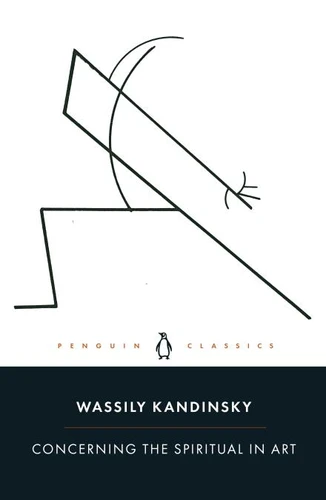
Concerning the Spiritual in Art
Par :Formats :
Disponible dans votre compte client Decitre ou Furet du Nord dès validation de votre commande. Le format ePub protégé est :
- Compatible avec une lecture sur My Vivlio (smartphone, tablette, ordinateur)
- Compatible avec une lecture sur liseuses Vivlio
- Pour les liseuses autres que Vivlio, vous devez utiliser le logiciel Adobe Digital Edition. Non compatible avec la lecture sur les liseuses Kindle, Remarkable et Sony
- Non compatible avec un achat hors France métropolitaine
 , qui est-ce ?
Notre partenaire de plateforme de lecture numérique où vous retrouverez l'ensemble de vos ebooks gratuitement
Pour en savoir plus sur nos ebooks, consultez notre aide en ligne ici
C'est si simple ! Lisez votre ebook avec l'app Vivlio sur votre tablette, mobile ou ordinateur :

- Nombre de pages192
- FormatePub
- ISBN978-0-241-38481-7
- EAN9780241384817
- Date de parution30/05/2024
- Protection num.Adobe DRM
- Infos supplémentairesepub
- ÉditeurPENGUIN
Résumé
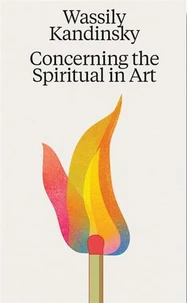
A seminal text in the history of modern art, from one of the most famous artists of the twentieth century'Art is the language that speaks to the soul'Why do we make art? In Concerning the Spiritual in Art Wassily Kandinsky, one of the earliest and most famous abstract painters, argued against 'art for art's sake'. Exploring form and colour, spirituality and tradition, Kandinsky instead predicted a future for painting in its potential to redirect the attention of viewers away from the shallow materialism of the modern world toward the more profound intellectual and emotional concerns of their interior lives.
His revolutionary work became a landmark in modern art history, helping to usher in the age of non-representational painting. This new translation also includes Kandinsky's later essay, 'The Question of Form', in which he interrogates and sharpens many of his earlier ideas. A new translation by Ruth Ahmedzai KempWith an introduction by Lisa Florman
His revolutionary work became a landmark in modern art history, helping to usher in the age of non-representational painting. This new translation also includes Kandinsky's later essay, 'The Question of Form', in which he interrogates and sharpens many of his earlier ideas. A new translation by Ruth Ahmedzai KempWith an introduction by Lisa Florman
A propos de Wassily Kandinsky


Concerning the Spiritual in Art
Grand Format
12,00 €