SOLDES
Jusqu'à -70% sur une sélection d'articles*

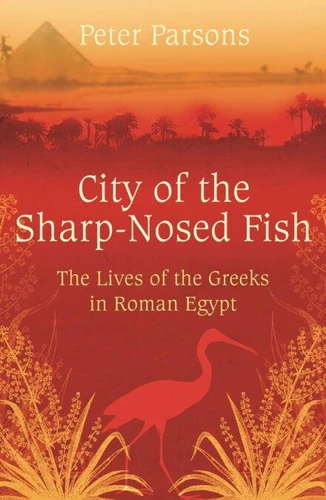
City of the Sharp-Nosed Fish. Greek Lives in Roman Egypt
Par :Formats :
Disponible dans votre compte client Decitre ou Furet du Nord dès validation de votre commande. Le format ePub protégé est :
- Compatible avec une lecture sur My Vivlio (smartphone, tablette, ordinateur)
- Compatible avec une lecture sur liseuses Vivlio
- Pour les liseuses autres que Vivlio, vous devez utiliser le logiciel Adobe Digital Edition. Non compatible avec la lecture sur les liseuses Kindle, Remarkable et Sony
- Non compatible avec un achat hors France métropolitaine
 , qui est-ce ?
Notre partenaire de plateforme de lecture numérique où vous retrouverez l'ensemble de vos ebooks gratuitement
Pour en savoir plus sur nos ebooks, consultez notre aide en ligne ici
C'est si simple ! Lisez votre ebook avec l'app Vivlio sur votre tablette, mobile ou ordinateur :

- Nombre de pages288
- FormatePub
- ISBN978-1-78022-530-2
- EAN9781780225302
- Date de parution17/10/2012
- Protection num.Adobe DRM
- Infos supplémentairesepub
- ÉditeurWeidenfeld & Nicolson
Résumé
How an ancient rubbish dump has given us a unique view of life 2, 000 years agoIn 1897 two Oxford archaeologists began digging a mound south of Cairo. Ten years later, they had uncovered 500, 000 fragments of papyri. Shipped back to Oxford, the meticulous and scholarly work of deciphering these fragments began. It is still going on today. As well as Christian writings from totally unknown gospels and Greek poems not seen by human eyes since the fall of Rome, there are tax returns, petitions, private letters, sales documents, leases, wills and shopping lists.
What they found was the entire life of a flourishing market-town - Oxyrhynchos ( the `city of the sharp-nosed fish' ), - encapsulated in its waste paper. The total lack of rain in this part of Egypt had preserved the papyrus beneath the sand, as nowhere else in the Roman Empire. We hear the voices of barbers, bee-keepers and boat-makers, dyers and donkey-drivers, weavers and wine-merchants, set against the great events of late antiquity: the rise and fall of the Roman Empire and the coming of Christianity.
The result is an extraordinary and unique picture of everyday life in the Nile Valley between Alexander the Great in 300 BC and the Arab conquest a thousand years later.
What they found was the entire life of a flourishing market-town - Oxyrhynchos ( the `city of the sharp-nosed fish' ), - encapsulated in its waste paper. The total lack of rain in this part of Egypt had preserved the papyrus beneath the sand, as nowhere else in the Roman Empire. We hear the voices of barbers, bee-keepers and boat-makers, dyers and donkey-drivers, weavers and wine-merchants, set against the great events of late antiquity: the rise and fall of the Roman Empire and the coming of Christianity.
The result is an extraordinary and unique picture of everyday life in the Nile Valley between Alexander the Great in 300 BC and the Arab conquest a thousand years later.