SOLDES
Jusqu'à -70% sur une sélection d'articles*

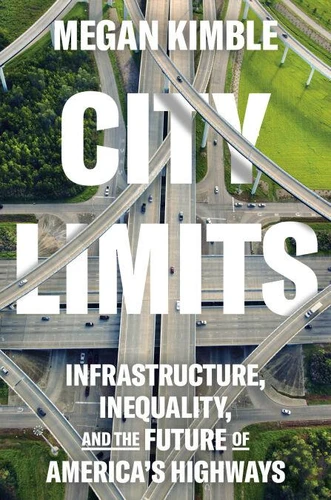
City Limits Infrastructure, Inequality, and the Future of America's Highways /anglais
Par :Formats :
Disponible dans votre compte client Decitre ou Furet du Nord dès validation de votre commande. Le format ePub protégé est :
- Compatible avec une lecture sur My Vivlio (smartphone, tablette, ordinateur)
- Compatible avec une lecture sur liseuses Vivlio
- Pour les liseuses autres que Vivlio, vous devez utiliser le logiciel Adobe Digital Edition. Non compatible avec la lecture sur les liseuses Kindle, Remarkable et Sony
- Non compatible avec un achat hors France métropolitaine
 , qui est-ce ?
Notre partenaire de plateforme de lecture numérique où vous retrouverez l'ensemble de vos ebooks gratuitement
Pour en savoir plus sur nos ebooks, consultez notre aide en ligne ici
C'est si simple ! Lisez votre ebook avec l'app Vivlio sur votre tablette, mobile ou ordinateur :

- Nombre de pages352
- FormatePub
- ISBN978-0-593-44379-8
- EAN9780593443798
- Date de parution02/04/2024
- Protection num.Adobe DRM
- Taille3 Mo
- Infos supplémentairesepub
- ÉditeurCrown
Résumé
An eye-opening investigation into how our ever-expanding urban highways accelerated inequality and fractured communities-and a call for a more just, sustainable path forward "Megan Kimble manages to turn a book about transportation and infrastructure into a fascinating human drama."-Michael Harriot, New York Times bestselling author of Black AF HistoryEvery major American city has a highway tearing through its center.
Seventy years ago, planners sold these highways as progress, essential to our future prosperity. The automobile promised freedom, and highways were going to take us there. Instead, they divided cities, displaced people from their homes, chained us to our cars, and locked us into a high-emissions future. And the more highways we built, the worse traffic got. Nowhere is this more visible than in Texas.
In Houston, Dallas, and Austin, residents and activists are fighting against massive, multi-billion-dollar highway expansions that will claim thousands of homes and businesses, entrenching segregation and sprawl. In City Limits, journalist Megan Kimble weaves together the origins of urban highways with the stories of ordinary people impacted by our failed transportation system. In Austin, hundreds of families will lose child care if a preschool is demolished to expand Interstate 35.
In Houston, a young Black woman will lose her brand-new home to a new lane on Interstate 10-just blocks away from where a seventy-four-year-old nurse lost her home in the 1960s when that same highway was built. And in Dallas, an urban planner has improbably found himself at the center of a national conversation about highway removal. What if, instead of building our aging roads wider and higher, we removed those highways altogether? It's been done before, first in San Francisco and, more recently, in Rochester, where Kimble traces how highway removal has brought new life to a divided city.
With propulsive storytelling and ground-level reporting, City Limits exposes the enormous social and environmental costs wrought by our allegiance to a life of increasing speed and dispersion, and brings to light the people who are fighting for a more sustainable, connected future.
Seventy years ago, planners sold these highways as progress, essential to our future prosperity. The automobile promised freedom, and highways were going to take us there. Instead, they divided cities, displaced people from their homes, chained us to our cars, and locked us into a high-emissions future. And the more highways we built, the worse traffic got. Nowhere is this more visible than in Texas.
In Houston, Dallas, and Austin, residents and activists are fighting against massive, multi-billion-dollar highway expansions that will claim thousands of homes and businesses, entrenching segregation and sprawl. In City Limits, journalist Megan Kimble weaves together the origins of urban highways with the stories of ordinary people impacted by our failed transportation system. In Austin, hundreds of families will lose child care if a preschool is demolished to expand Interstate 35.
In Houston, a young Black woman will lose her brand-new home to a new lane on Interstate 10-just blocks away from where a seventy-four-year-old nurse lost her home in the 1960s when that same highway was built. And in Dallas, an urban planner has improbably found himself at the center of a national conversation about highway removal. What if, instead of building our aging roads wider and higher, we removed those highways altogether? It's been done before, first in San Francisco and, more recently, in Rochester, where Kimble traces how highway removal has brought new life to a divided city.
With propulsive storytelling and ground-level reporting, City Limits exposes the enormous social and environmental costs wrought by our allegiance to a life of increasing speed and dispersion, and brings to light the people who are fighting for a more sustainable, connected future.