SOLDES
Jusqu'à -70% sur une sélection d'articles*

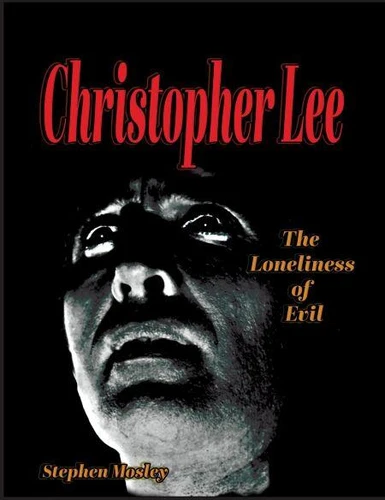
Christopher Lee: The Loneliness of Evil
Par :Formats :
Disponible dans votre compte client Decitre ou Furet du Nord dès validation de votre commande. Le format ePub est :
- Compatible avec une lecture sur My Vivlio (smartphone, tablette, ordinateur)
- Compatible avec une lecture sur liseuses Vivlio
- Pour les liseuses autres que Vivlio, vous devez utiliser le logiciel Adobe Digital Edition. Non compatible avec la lecture sur les liseuses Kindle, Remarkable et Sony
 , qui est-ce ?
Notre partenaire de plateforme de lecture numérique où vous retrouverez l'ensemble de vos ebooks gratuitement
Pour en savoir plus sur nos ebooks, consultez notre aide en ligne ici
C'est si simple ! Lisez votre ebook avec l'app Vivlio sur votre tablette, mobile ou ordinateur :

- FormatePub
- ISBN8201755881
- EAN9798201755881
- Date de parution31/07/2022
- Protection num.pas de protection
- Infos supplémentairesepub
- ÉditeurJL
Résumé
When Sir Christopher Lee passed away at the age of 93 in 2015, it was truly the end of an era. He was the last of the great horror stars. This book is a comprehensive overview of Lee's work in the horror genre, including movies, books, audio recordings and video games. As well as providing in-depth production histories and critical analysis, new interviews have been conducted with Lee's co-workers (some of them speaking here for the first time), which shed fresh light upon the man and his work.
Few actors spanned the generations with more lasting appeal than Christopher Lee. From his ventures with Hammer-whose swift gradation of flesh and blood into a staid 1950s cinema broke new ground-to his work, in the next century, on Star Wars, Lord of the Rings and numerous interactive formats, Lee was constantly abreast of advancements in his industry. Consequently, this book can be read not only as an alternative history of the Horror Film, but also of the myriad developments within cinema itself.
Few actors spanned the generations with more lasting appeal than Christopher Lee. From his ventures with Hammer-whose swift gradation of flesh and blood into a staid 1950s cinema broke new ground-to his work, in the next century, on Star Wars, Lord of the Rings and numerous interactive formats, Lee was constantly abreast of advancements in his industry. Consequently, this book can be read not only as an alternative history of the Horror Film, but also of the myriad developments within cinema itself.