SOLDES
Jusqu'à -70% sur une sélection d'articles*

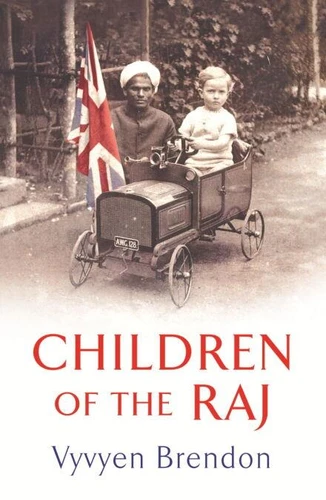
Children of the Raj
Par :Formats :
Disponible dans votre compte client Decitre ou Furet du Nord dès validation de votre commande. Le format ePub protégé est :
- Compatible avec une lecture sur My Vivlio (smartphone, tablette, ordinateur)
- Compatible avec une lecture sur liseuses Vivlio
- Pour les liseuses autres que Vivlio, vous devez utiliser le logiciel Adobe Digital Edition. Non compatible avec la lecture sur les liseuses Kindle, Remarkable et Sony
- Non compatible avec un achat hors France métropolitaine
 , qui est-ce ?
Notre partenaire de plateforme de lecture numérique où vous retrouverez l'ensemble de vos ebooks gratuitement
Pour en savoir plus sur nos ebooks, consultez notre aide en ligne ici
C'est si simple ! Lisez votre ebook avec l'app Vivlio sur votre tablette, mobile ou ordinateur :

- Nombre de pages400
- FormatePub
- ISBN978-1-78022-747-4
- EAN9781780227474
- Date de parution29/04/2015
- Protection num.Adobe DRM
- Infos supplémentairesepub
- ÉditeurWeidenfeld & Nicolson
Résumé
Vyvyen Brendon's evocative, at times heart-tugging book, runs from the 18th century and the East India Company, through the Afghan wars, the Indian mutiny and the more settled era of the Queen Empress, and culminates in the conflict leading to Britain's hurried exit in 1947. Its subject is the young progeny of traders, soldiers, civil servants, missionaries, planters, engineers and what should be done with them.
Until the coming of air travel these children often only saw their parents every few years. Then there were the children born of Anglo-Indian marriages and affairs. Sent back to Britain they were often reviled as 'darkies', 'a touch of the tar-brush'. And then there were the children educated in India. Brendon reveals appalling stories of abuse at the hands of servants. What frequently unites Brendon's wildly different subjects is their loneliness--drawing on letters, diaries, memoirs and interviews, she portrays children who had to discipline themselves to adapt (often ingeniously) to unfamiliar cultures, far away from family and forced to spend termtime in boarding schools and holidays with unfamiliar families.
Until the coming of air travel these children often only saw their parents every few years. Then there were the children born of Anglo-Indian marriages and affairs. Sent back to Britain they were often reviled as 'darkies', 'a touch of the tar-brush'. And then there were the children educated in India. Brendon reveals appalling stories of abuse at the hands of servants. What frequently unites Brendon's wildly different subjects is their loneliness--drawing on letters, diaries, memoirs and interviews, she portrays children who had to discipline themselves to adapt (often ingeniously) to unfamiliar cultures, far away from family and forced to spend termtime in boarding schools and holidays with unfamiliar families.