SOLDES
Jusqu'à -70% sur une sélection d'articles*

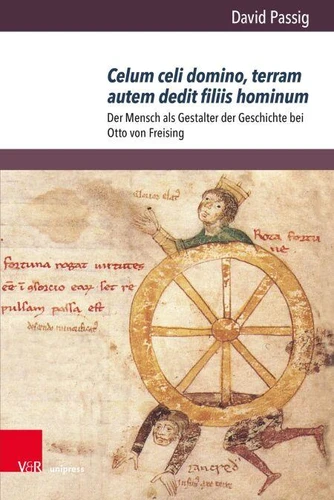
Celum celi domino, terram autem dedit filiis hominum. Der Mensch als Gestalter der Geschichte bei Otto von Freising
Par :Formats :
Disponible dans votre compte client Decitre ou Furet du Nord dès validation de votre commande. Le format PDF est :
- Compatible avec une lecture sur My Vivlio (smartphone, tablette, ordinateur)
- Compatible avec une lecture sur liseuses Vivlio
- Pour les liseuses autres que Vivlio, vous devez utiliser le logiciel Adobe Digital Edition. Non compatible avec la lecture sur les liseuses Kindle, Remarkable et Sony
 , qui est-ce ?
Notre partenaire de plateforme de lecture numérique où vous retrouverez l'ensemble de vos ebooks gratuitement
Pour en savoir plus sur nos ebooks, consultez notre aide en ligne ici
C'est si simple ! Lisez votre ebook avec l'app Vivlio sur votre tablette, mobile ou ordinateur :

- Nombre de pages387
- FormatPDF
- ISBN978-3-8470-1814-8
- EAN9783847018148
- Date de parution10/03/2025
- Protection num.pas de protection
- Taille11 Mo
- Infos supplémentairespdf
- ÉditeurV&R Unipress
Résumé
Die Studie befasst sich mit der Frage, welche Rolle und welchen Einfluss der berühmte Geschichtsschreiber Otto von Freising in seinen Schriften dem Menschen für den Verlauf der Geschichte beimaß. Dabei wird gezeigt, dass der auf der Höhe der theologischen und philosophischen Debatten seiner Gegenwart stehende Historiograph den Menschen in seiner Beschaffenheit und in seiner Beziehung zu Gott zum zentralen Thema seiner Werke machte und seinen historischen Stoff wesentlich aus anthropologischen Vorstellungsbeständen heraus deutete.
Otto charakterisierte den Menschen nicht als Objekt eines ihm unverfügbaren Geschichtslaufs, sondern als den eigentlichen Protagonisten der Geschichte. Folglich war es auch der Mensch, an dem es für Otto lag, die irdischen Verhältnisse zu gestalten. The study addresses the role and influence Otto of Freising, the famous 12th century historian, attributed to humans in the course of history in his writings.
It is shown that Otto, who was well-versed in the theological and philosophical debates of his time, made the human being's nature and relationship to God the central theme of his work and that he interpreted his historical material largely from contemporary anthropological concepts. Otto characterized humans not as passively subject to an uncontrollable historical course, but as the true protagonists of history.
Consequently, Otto believed that it was also humans who were responsible for shaping earthly conditions.
Otto charakterisierte den Menschen nicht als Objekt eines ihm unverfügbaren Geschichtslaufs, sondern als den eigentlichen Protagonisten der Geschichte. Folglich war es auch der Mensch, an dem es für Otto lag, die irdischen Verhältnisse zu gestalten. The study addresses the role and influence Otto of Freising, the famous 12th century historian, attributed to humans in the course of history in his writings.
It is shown that Otto, who was well-versed in the theological and philosophical debates of his time, made the human being's nature and relationship to God the central theme of his work and that he interpreted his historical material largely from contemporary anthropological concepts. Otto characterized humans not as passively subject to an uncontrollable historical course, but as the true protagonists of history.
Consequently, Otto believed that it was also humans who were responsible for shaping earthly conditions.