SOLDES
Jusqu'à -70% sur une sélection d'articles*

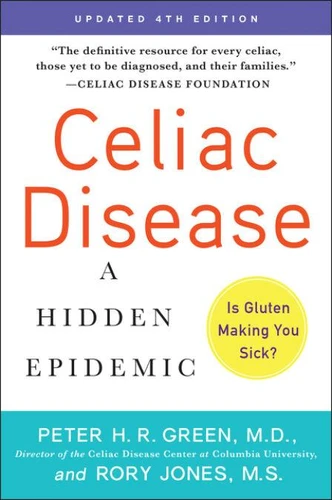
Celiac Disease (Updated 4th Edition). A Hidden Epidemic
Par : ,Formats :
Disponible dans votre compte client Decitre ou Furet du Nord dès validation de votre commande. Le format ePub protégé est :
- Compatible avec une lecture sur My Vivlio (smartphone, tablette, ordinateur)
- Compatible avec une lecture sur liseuses Vivlio
- Pour les liseuses autres que Vivlio, vous devez utiliser le logiciel Adobe Digital Edition. Non compatible avec la lecture sur les liseuses Kindle, Remarkable et Sony
- Non compatible avec un achat hors France métropolitaine
 , qui est-ce ?
Notre partenaire de plateforme de lecture numérique où vous retrouverez l'ensemble de vos ebooks gratuitement
Pour en savoir plus sur nos ebooks, consultez notre aide en ligne ici
C'est si simple ! Lisez votre ebook avec l'app Vivlio sur votre tablette, mobile ou ordinateur :

- Nombre de pages368
- FormatePub
- ISBN978-0-06-304098-4
- EAN9780063040984
- Date de parution01/12/2020
- Protection num.Adobe DRM
- Infos supplémentairesepub
- ÉditeurWilliam Morrow Paperbacks
Résumé
From Dr. Peter H. R. Green, internationally renowned expert on celiac disease and director of the Celiac Disease Center at Columbia University, and medical author Rory Jones, an updated fourth edition of the definitive book on celiac disease, one of the most underdiagnosed autoimmune diseases in the U. S. Celiac Disease: A Hidden Epidemic is an indispensable guidebook for anyone with celiac disease as well as for those with gluten intolerance or food sensitivities on a gluten-free diet.
Since the last edition in 2016, scientific advances have changed what we know about the disease, how it is diagnosed and treated, and the long-term effect of a gluten-free diet on the brain and body. Celiac disease is a hereditary autoimmune condition that damages the lining of the small intestine so that it cannot properly absorb food. Without essential nutrients, the entire body begins to suffer.
The disease is triggered by gluten, a protein found in wheat, rye, and barley. The only "cure" for the disease is a life-long gluten-free diet. The disease affects nearly 1 in every 100 people in the United States-50 percent of whom remain undiagnosed and untreated. Although the primary target of injury is the small intestine, CD can and often does affect the entire body. Complications from the disease can include infertility, liver disease, osteoporosis, anemia, and other autoimmune diseases (such as Type 1 diabetes and Thyroid disease), neurological conditions, and even cancer.
This updated fourth edition includes the latest information on CD, gluten intolerance, and gluten sensitivity. The important updates cover everything from new testing devices to advances in therapies that may help prevent gluten from entering and/or harming the intestines, to new research on the long-term effect of the gluten-free diet on our minds and bodies. And more!
Since the last edition in 2016, scientific advances have changed what we know about the disease, how it is diagnosed and treated, and the long-term effect of a gluten-free diet on the brain and body. Celiac disease is a hereditary autoimmune condition that damages the lining of the small intestine so that it cannot properly absorb food. Without essential nutrients, the entire body begins to suffer.
The disease is triggered by gluten, a protein found in wheat, rye, and barley. The only "cure" for the disease is a life-long gluten-free diet. The disease affects nearly 1 in every 100 people in the United States-50 percent of whom remain undiagnosed and untreated. Although the primary target of injury is the small intestine, CD can and often does affect the entire body. Complications from the disease can include infertility, liver disease, osteoporosis, anemia, and other autoimmune diseases (such as Type 1 diabetes and Thyroid disease), neurological conditions, and even cancer.
This updated fourth edition includes the latest information on CD, gluten intolerance, and gluten sensitivity. The important updates cover everything from new testing devices to advances in therapies that may help prevent gluten from entering and/or harming the intestines, to new research on the long-term effect of the gluten-free diet on our minds and bodies. And more!