Cave exploration has uncovered archaeological finds which have enhanced our understanding of human evolution, and fossil remains, such as woolly mammoths, which reveal something of the Pleistocene animal world. But perhaps most fascinating of all is the living natural history of caves.
There are few unexplored places on earth, but caves still offer countless opportunities for discovery. From new passages to whole new cave systems, significant finds are still being made - recent exploration in South Wales revealed Britain's largest passageways.
Caves are formed over many thousands of years, as subterranean waters seep slowly through the crevices of the buckled and twisted laters of limestone rocks.
These cracks develop into fantastically shaped passages which stretch for miles, huge caverns housing vast, still lakes and deep potholes through which icy waterfalls tumble. Within them form arrays of stalactites and stalagmites, delicately twirling helictites, slender pillars of calcite and crystal pools. And it is these wonders that have encourages the adventurers who have explored and charted this underground world - descending on ropes into gaping pits, crawling and digging their way along tunnels and diving through freezing torrents to do so.
Cave exploration has uncovered archaeological finds which have enhanced our understanding of human evolution, and fossil remains, such as woolly mammoths, which reveal something of the Pleistocene animal world.
But perhaps most fascinating of all is the living natural history of caves.
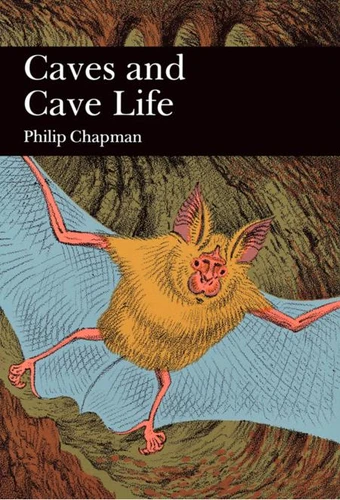
The study of cave biology is still in its infancy. Speculation and controversy abound, cavernicolous communities remain under-recorded and new species await discovery in most subterranean habitats. But in this book, Philip Chapman has drawn together his expert knowledge of caves and cave life to present an outstanding and cohesive account of what is now known in this extraordinary world, which for so many has remained unknown for so long.
Cave exploration has uncovered archaeological finds which have enhanced our understanding of human evolution, and fossil remains, such as woolly mammoths, which reveal something of the Pleistocene animal world. But perhaps most fascinating of all is the living natural history of caves.
There are few unexplored places on earth, but caves still offer countless opportunities for discovery. From new passages to whole new cave systems, significant finds are still being made - recent exploration in South Wales revealed Britain's largest passageways.
Caves are formed over many thousands of years, as subterranean waters seep slowly through the crevices of the buckled and twisted laters of limestone rocks.
These cracks develop into fantastically shaped passages which stretch for miles, huge caverns housing vast, still lakes and deep potholes through which icy waterfalls tumble. Within them form arrays of stalactites and stalagmites, delicately twirling helictites, slender pillars of calcite and crystal pools. And it is these wonders that have encourages the adventurers who have explored and charted this underground world - descending on ropes into gaping pits, crawling and digging their way along tunnels and diving through freezing torrents to do so.
Cave exploration has uncovered archaeological finds which have enhanced our understanding of human evolution, and fossil remains, such as woolly mammoths, which reveal something of the Pleistocene animal world.
But perhaps most fascinating of all is the living natural history of caves.
The study of cave biology is still in its infancy. Speculation and controversy abound, cavernicolous communities remain under-recorded and new species await discovery in most subterranean habitats. But in this book, Philip Chapman has drawn together his expert knowledge of caves and cave life to present an outstanding and cohesive account of what is now known in this extraordinary world, which for so many has remained unknown for so long.


 , qui est-ce ?
