
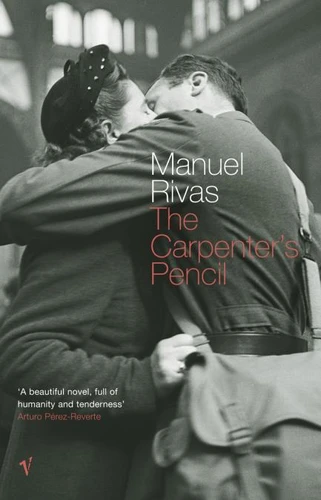
Manuel Rivas was born in Coruña in 1957, and writes in the Galician language of north-west Spain. He is well known for his journalism, as well as for his prize-winning short stories and novels, which include the internationally acclaimed The Carpenter's Pencil and Books Burn Badly. His work has been translated into more than twenty languages.
Carpenter's Pencil
Par : ,Formats :
Disponible dans votre compte client Decitre ou Furet du Nord dès validation de votre commande. Le format ePub protégé est :
- Compatible avec une lecture sur My Vivlio (smartphone, tablette, ordinateur)
- Compatible avec une lecture sur liseuses Vivlio
- Pour les liseuses autres que Vivlio, vous devez utiliser le logiciel Adobe Digital Edition. Non compatible avec la lecture sur les liseuses Kindle, Remarkable et Sony
- Non compatible avec un achat hors France métropolitaine
 , qui est-ce ?
Notre partenaire de plateforme de lecture numérique où vous retrouverez l'ensemble de vos ebooks gratuitement
Pour en savoir plus sur nos ebooks, consultez notre aide en ligne ici
C'est si simple ! Lisez votre ebook avec l'app Vivlio sur votre tablette, mobile ou ordinateur :

- Nombre de pages176
- FormatePub
- ISBN978-1-4481-8065-3
- EAN9781448180653
- Date de parution30/09/2013
- Protection num.Adobe DRM
- Infos supplémentairesepub
- ÉditeurVintage Digital
Résumé
It is the summer of 1936, the early months of the agonising civil war that engulfs Spain and shakes the rest of the world. In a prison in the pilgrim city of Santiago de Compostela, an artist sketches the famous porch of the cathedral, the Portico da Gloria. He uses a carpenter's pencil. But instead of reproducing the sculptured faces of the prophets and elders, he draws the faces of his fellow Republican prisoners.
Many years later in post-Franco Spain, a survivor of that period, Doctor Daniel da Barca, returns from exile to his native Galicia, and the threads of past memories begin to be woven together. This poetic and moving novel conveys the horror and savagery of the tragedy that divided Spain, and the experiences of the men and women who lived through it. Yet in the process, it also relates one of the most beautiful love stories imaginable.
Many years later in post-Franco Spain, a survivor of that period, Doctor Daniel da Barca, returns from exile to his native Galicia, and the threads of past memories begin to be woven together. This poetic and moving novel conveys the horror and savagery of the tragedy that divided Spain, and the experiences of the men and women who lived through it. Yet in the process, it also relates one of the most beautiful love stories imaginable.
A propos de Manuel Rivas

11,20 €
8,11 €
4/5
Le Crayon Du Charpentier - Occasion
Grand Format
8,36 €

15,69 €
The Low Voices
E-book
8,99 €
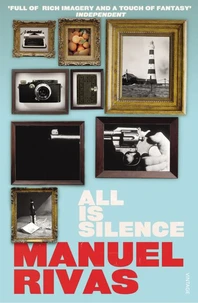
All Is Silence
E-book
8,49 €
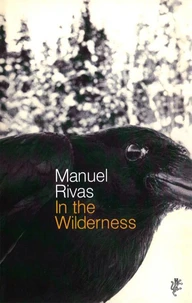
In The Wilderness
E-book
6,99 €
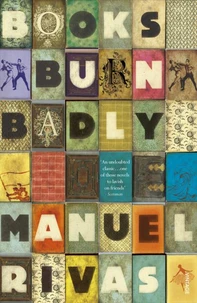
Books Burn Badly
E-book
8,99 €

El lapiz del carpintero
Grand Format
11,60 €
21,60 €
19,10 €
10,00 €
8,60 €
Moi, Julia
Grand Format
25,40 €
10,10 €
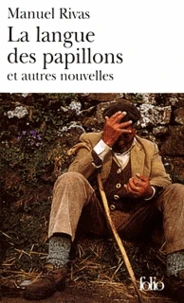
La Langue Des Papillons Et Autres Nouvelles
Grand Format
14,75 €
16,70 €