SOLDES
Jusqu'à -70% sur une sélection d'articles*

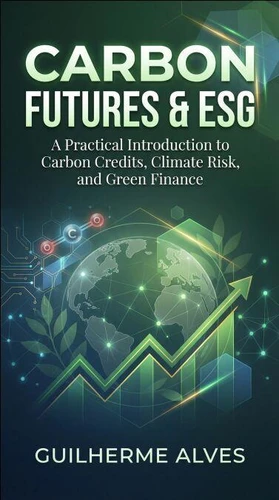
Carbon Futures & ESG - A Practical Introduction to Carbon Credits, Climate Risk, and Green Finance
Par : ,Formats :
Disponible dans votre compte client Decitre ou Furet du Nord dès validation de votre commande. Le format ePub est :
- Compatible avec une lecture sur My Vivlio (smartphone, tablette, ordinateur)
- Compatible avec une lecture sur liseuses Vivlio
- Pour les liseuses autres que Vivlio, vous devez utiliser le logiciel Adobe Digital Edition. Non compatible avec la lecture sur les liseuses Kindle, Remarkable et Sony
 , qui est-ce ?
Notre partenaire de plateforme de lecture numérique où vous retrouverez l'ensemble de vos ebooks gratuitement
Pour en savoir plus sur nos ebooks, consultez notre aide en ligne ici
C'est si simple ! Lisez votre ebook avec l'app Vivlio sur votre tablette, mobile ou ordinateur :

- FormatePub
- ISBN8233041655
- EAN9798233041655
- Date de parution16/01/2026
- Protection num.pas de protection
- Infos supplémentairesepub
- ÉditeurLinda Balsamo
Résumé
Carbon Futures Made SimpleA Beginner's Guide to Carbon Markets, ESG Strategy, and Climate FinanceCarbon markets are no longer a niche topic. They are becoming a core part of business strategy, ESG reporting, and climate policy in the United States, Europe, and beyond. Yet for many people, carbon credits and carbon futures still feel confusing, technical, or inaccessible. This book was written for beginners.
Carbon Futures Made Simple explains carbon markets using clear language, real-world examples, and practical insights - without academic jargon or complex financial formulas. You will learn: What carbon credits really are (and what they are not) The difference between regulated and voluntary carbon markets How carbon markets work in the US, Europe, and China Why carbon futures are difficult to create and sustain How carbon pricing affects companies, investors, and ESG strategies The risks, limitations, and governance challenges of carbon markets The book also draws on historical analysis from the early years of international carbon trading, comparing early expectations with what actually happened over the last two decades.
This perspective helps readers understand why some carbon markets succeeded while others failed. Designed for: ESG and sustainability professionals Executives and managers exposed to carbon regulation Finance, risk, and compliance teams Students and readers new to climate finance You do not need a background in economics or environmental science to understand this book. Carbon is not a traditional commodity.
It is policy-driven, regulated, and deeply connected to environmental credibility. Understanding these differences is essential for anyone involved in ESG, corporate strategy, or climate-related decision-making. This book does not promise quick profits or speculation tips. Instead, it offers clarity, structure, and realistic insight into how carbon markets actually work. If you want a simple, honest, and practical introduction to carbon futures and ESG-driven carbon markets, this book is for you.
Carbon Futures Made Simple explains carbon markets using clear language, real-world examples, and practical insights - without academic jargon or complex financial formulas. You will learn: What carbon credits really are (and what they are not) The difference between regulated and voluntary carbon markets How carbon markets work in the US, Europe, and China Why carbon futures are difficult to create and sustain How carbon pricing affects companies, investors, and ESG strategies The risks, limitations, and governance challenges of carbon markets The book also draws on historical analysis from the early years of international carbon trading, comparing early expectations with what actually happened over the last two decades.
This perspective helps readers understand why some carbon markets succeeded while others failed. Designed for: ESG and sustainability professionals Executives and managers exposed to carbon regulation Finance, risk, and compliance teams Students and readers new to climate finance You do not need a background in economics or environmental science to understand this book. Carbon is not a traditional commodity.
It is policy-driven, regulated, and deeply connected to environmental credibility. Understanding these differences is essential for anyone involved in ESG, corporate strategy, or climate-related decision-making. This book does not promise quick profits or speculation tips. Instead, it offers clarity, structure, and realistic insight into how carbon markets actually work. If you want a simple, honest, and practical introduction to carbon futures and ESG-driven carbon markets, this book is for you.