Catherine Gidney is adjunct research professor of history at St. Thomas University.
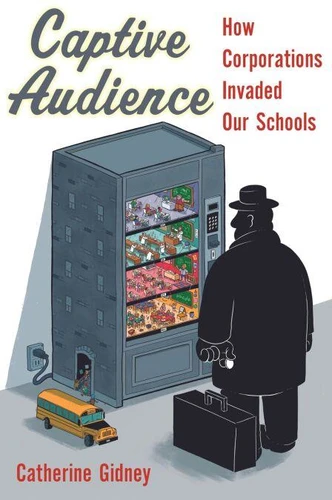
Captive Audience. How Corporations Invaded Our Schools
Par :Formats :
Disponible dans votre compte client Decitre ou Furet du Nord dès validation de votre commande. Le format ePub est :
- Compatible avec une lecture sur My Vivlio (smartphone, tablette, ordinateur)
- Compatible avec une lecture sur liseuses Vivlio
- Pour les liseuses autres que Vivlio, vous devez utiliser le logiciel Adobe Digital Edition. Non compatible avec la lecture sur les liseuses Kindle, Remarkable et Sony
 , qui est-ce ?
Notre partenaire de plateforme de lecture numérique où vous retrouverez l'ensemble de vos ebooks gratuitement
Pour en savoir plus sur nos ebooks, consultez notre aide en ligne ici
C'est si simple ! Lisez votre ebook avec l'app Vivlio sur votre tablette, mobile ou ordinateur :

- Nombre de pages248
- FormatePub
- ISBN978-1-77113-427-9
- EAN9781771134279
- Date de parution13/01/2023
- Protection num.Digital Watermarking
- Taille4 Mo
- Infos supplémentairesepub
- ÉditeurBetween the Lines
Résumé
White Spot, a popular BC restaurant chain, solicits hamburger concepts from third and fourth grade students and one of the student's ideas becomes a feature on the kids' menu. Home Depot donates playground equipment to an elementary school, and the ribbon-cutting ceremony culminates in a community swathed in corporate swag, temporary tattoos, and a new "Home Depot song" written by a teacher and sung by the children.
Kindergarten students return home with a school district-prescribed dental hygiene flyer featuring a maze leading to a tube of Crest toothpaste. Schools receive five cents for each flyer handed to a student. While commercialism has existed in our schools for over a century, the corporate invasion of our schools reached unprecedented heights in the 1990s and 2000s after two decades of federal funding cuts and an increasing tendency to apply business models to the education system.
Constant cutbacks have left school trustees, administrators, teachers, and parents with difficult decisions about how to finance programs and support students. Meanwhile, studies on the impact of advertising and consumer culture on children make clear that the effects are harmful both to the individual child and the broader culture. Captive Audience explores this compelling history of branding the classroom in Canada.
Kindergarten students return home with a school district-prescribed dental hygiene flyer featuring a maze leading to a tube of Crest toothpaste. Schools receive five cents for each flyer handed to a student. While commercialism has existed in our schools for over a century, the corporate invasion of our schools reached unprecedented heights in the 1990s and 2000s after two decades of federal funding cuts and an increasing tendency to apply business models to the education system.
Constant cutbacks have left school trustees, administrators, teachers, and parents with difficult decisions about how to finance programs and support students. Meanwhile, studies on the impact of advertising and consumer culture on children make clear that the effects are harmful both to the individual child and the broader culture. Captive Audience explores this compelling history of branding the classroom in Canada.
A propos de Catherine Gidney

Symbols of Canada
E-book
24,99 €