SOLDES
Jusqu'à -70% sur une sélection d'articles*

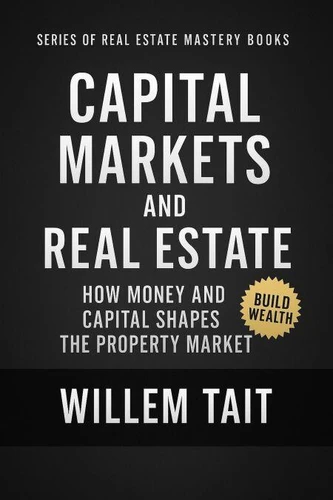
Capital Markets and Real Estate: How Money and Capital Shapes the Property Market. Willem Tait Series of Real Estate Mastery Books
Par :Formats :
Disponible dans votre compte client Decitre ou Furet du Nord dès validation de votre commande. Le format ePub est :
- Compatible avec une lecture sur My Vivlio (smartphone, tablette, ordinateur)
- Compatible avec une lecture sur liseuses Vivlio
- Pour les liseuses autres que Vivlio, vous devez utiliser le logiciel Adobe Digital Edition. Non compatible avec la lecture sur les liseuses Kindle, Remarkable et Sony
 , qui est-ce ?
Notre partenaire de plateforme de lecture numérique où vous retrouverez l'ensemble de vos ebooks gratuitement
Pour en savoir plus sur nos ebooks, consultez notre aide en ligne ici
C'est si simple ! Lisez votre ebook avec l'app Vivlio sur votre tablette, mobile ou ordinateur :

- FormatePub
- ISBN978-0-6398578-1-7
- EAN9780639857817
- Date de parution23/12/2025
- Protection num.pas de protection
- Infos supplémentairesepub
- ÉditeurWRT Publishing
Résumé
Capital markets and real estate are deeply interconnected forces shaping modern economies, investment decisions, and the built environment. This book explores how money flows through financial systems and into property markets, influencing development, valuation, risk, and opportunity. Designed for real estate professionals, investors, and readers seeking a structured understanding of finance, the book explains key concepts such as equity and debt financing, institutional capital, securitization, economic indicators, and global capital flows.
Each chapter builds clarity around how capital markets operate and why real estate plays a central role within them. Rather than focusing on speculation or shortcuts, the book emphasizes fundamentals, structure, and long-term thinking. It examines how capital is raised, deployed, and managed across residential, commercial, and institutional property markets, while also addressing risk, sustainability, and emerging trends shaping the future of real estate finance.
Clear, analytical, and accessible, this work provides a practical framework for understanding how financial systems and property markets interact. It is intended for readers who want depth, context, and insight into the mechanisms that drive real estate within the broader capital market ecosystem.
Each chapter builds clarity around how capital markets operate and why real estate plays a central role within them. Rather than focusing on speculation or shortcuts, the book emphasizes fundamentals, structure, and long-term thinking. It examines how capital is raised, deployed, and managed across residential, commercial, and institutional property markets, while also addressing risk, sustainability, and emerging trends shaping the future of real estate finance.
Clear, analytical, and accessible, this work provides a practical framework for understanding how financial systems and property markets interact. It is intended for readers who want depth, context, and insight into the mechanisms that drive real estate within the broader capital market ecosystem.