SOLDES
Jusqu'à -70% sur une sélection d'articles*

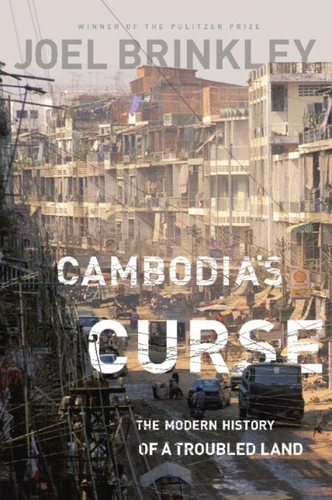
Cambodia's Curse. The Modern History of a Troubled Land
Par :Formats :
Disponible dans votre compte client Decitre ou Furet du Nord dès validation de votre commande. Le format ePub protégé est :
- Compatible avec une lecture sur My Vivlio (smartphone, tablette, ordinateur)
- Compatible avec une lecture sur liseuses Vivlio
- Pour les liseuses autres que Vivlio, vous devez utiliser le logiciel Adobe Digital Edition. Non compatible avec la lecture sur les liseuses Kindle, Remarkable et Sony
- Non compatible avec un achat hors France métropolitaine
 , qui est-ce ?
Notre partenaire de plateforme de lecture numérique où vous retrouverez l'ensemble de vos ebooks gratuitement
Pour en savoir plus sur nos ebooks, consultez notre aide en ligne ici
C'est si simple ! Lisez votre ebook avec l'app Vivlio sur votre tablette, mobile ou ordinateur :

- Nombre de pages416
- FormatePub
- ISBN978-1-61039-001-9
- EAN9781610390019
- Date de parution11/04/2011
- Protection num.Adobe DRM
- Infos supplémentairesepub
- ÉditeurPublicAffairs
Résumé
A Pulitzer Prize-winning journalist describes how Cambodia emerged from the harrowing years when a quarter of its population perished under the Khmer Rouge. A generation after genocide, Cambodia seemed on the surface to have overcome its history -- the streets of Phnom Penh were paved; skyscrapers dotted the skyline. But under this façe lies a country still haunted by its years of terror. Although the international community tried to rebuild Cambodia and introduce democracy in the 1990s, in the country remained in the grip of a venal government.
Pulitzer Prize-winning journalist Joel Brinkley learned that almost a half of Cambodians who lived through the Khmer Rouge era suffered from P. T. S. D. -- and had passed their trauma to the next generation. His extensive close-up reporting in Cambodia's Curse illuminates the country, its people, and the deep historical roots of its modern-day behavior.
Pulitzer Prize-winning journalist Joel Brinkley learned that almost a half of Cambodians who lived through the Khmer Rouge era suffered from P. T. S. D. -- and had passed their trauma to the next generation. His extensive close-up reporting in Cambodia's Curse illuminates the country, its people, and the deep historical roots of its modern-day behavior.