SOLDES
Jusqu'à -70% sur une sélection d'articles*

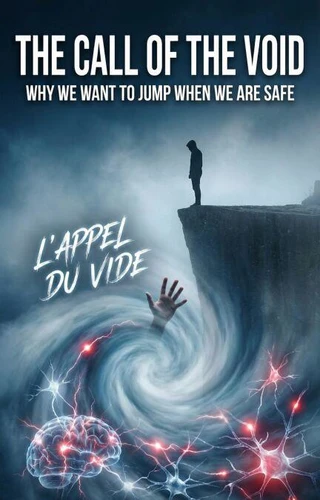
Call of the Void. Why We Want to Jump When We Are Safe
Par :Formats :
Disponible dans votre compte client Decitre ou Furet du Nord dès validation de votre commande. Le format ePub est :
- Compatible avec une lecture sur My Vivlio (smartphone, tablette, ordinateur)
- Compatible avec une lecture sur liseuses Vivlio
- Pour les liseuses autres que Vivlio, vous devez utiliser le logiciel Adobe Digital Edition. Non compatible avec la lecture sur les liseuses Kindle, Remarkable et Sony
 , qui est-ce ?
Notre partenaire de plateforme de lecture numérique où vous retrouverez l'ensemble de vos ebooks gratuitement
Pour en savoir plus sur nos ebooks, consultez notre aide en ligne ici
C'est si simple ! Lisez votre ebook avec l'app Vivlio sur votre tablette, mobile ou ordinateur :

- Nombre de pages145
- FormatePub
- ISBN978-3-565-25686-0
- EAN9783565256860
- Date de parution18/02/2026
- Protection num.pas de protection
- Taille549 Ko
- Infos supplémentairesepub
- ÉditeurEmphaloz Publishing House
Résumé
You are standing on a high balcony or a cliff edge, perfectly safe behind a railing. Suddenly, a terrifying thought flashes through your mind: "I could just jump." You recoil in horror, wondering if you are suicidal or losing your mind. You are not. You are experiencing "L'appel du vide" (The Call of the Void), also known as the High Place Phenomenon.
This book explores the fascinating neuroscience behind this universal intrusive thought.
Studies show that over 50% of people experience it, and ironically, it is more common in people with high anxiety. Why? Because it is a misinterpretation of a safety signal. Your balance system screams "Danger!", and your conscious mind, realizing you are safe, interprets the physical arousal as a desire to jump. "The Call of the Void" is a comforting guide to the strange glitches of the human brain.
It explains why we think about steering into oncoming traffic or shouting in church. It teaches us that a thought is just a thought, not a command, and that this specific fear is actually proof that your brain wants you to live.
Studies show that over 50% of people experience it, and ironically, it is more common in people with high anxiety. Why? Because it is a misinterpretation of a safety signal. Your balance system screams "Danger!", and your conscious mind, realizing you are safe, interprets the physical arousal as a desire to jump. "The Call of the Void" is a comforting guide to the strange glitches of the human brain.
It explains why we think about steering into oncoming traffic or shouting in church. It teaches us that a thought is just a thought, not a command, and that this specific fear is actually proof that your brain wants you to live.
A propos de Sarah Bennett




5,99 €