SOLDES
Jusqu'à -70% sur une sélection d'articles*

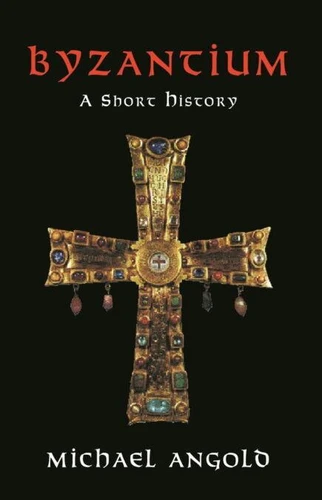
Byzantium
Par :Formats :
Disponible dans votre compte client Decitre ou Furet du Nord dès validation de votre commande. Le format ePub protégé est :
- Compatible avec une lecture sur My Vivlio (smartphone, tablette, ordinateur)
- Compatible avec une lecture sur liseuses Vivlio
- Pour les liseuses autres que Vivlio, vous devez utiliser le logiciel Adobe Digital Edition. Non compatible avec la lecture sur les liseuses Kindle, Remarkable et Sony
- Non compatible avec un achat hors France métropolitaine
 , qui est-ce ?
Notre partenaire de plateforme de lecture numérique où vous retrouverez l'ensemble de vos ebooks gratuitement
Pour en savoir plus sur nos ebooks, consultez notre aide en ligne ici
C'est si simple ! Lisez votre ebook avec l'app Vivlio sur votre tablette, mobile ou ordinateur :

- Nombre de pages208
- FormatePub
- ISBN978-1-78022-543-2
- EAN9781780225432
- Date de parution14/11/2012
- Protection num.Adobe DRM
- Infos supplémentairesepub
- ÉditeurWeidenfeld & Nicolson
Résumé
A concise political, social and religious history of the Byzantine empire. Michael Angold's book is a clear, concise and authoritative history of the successor state to the Roman Empire, known as the Byzantine Empire. It was named after Byzantium, which Emperor Constantine I rebuilt in 330 AD as Constantinople and made the capital of the entire Roman Empire. Angold begins in the heart of Byzantium, the city of Constantinople from which a new Empire emerged.
He shows how the foundation and growth of the city altered the balance of the Roman empire, shifting the centre of gravity east. He describes the emergence of political factions and their impact on political life and traces the rise of Islam. Angold concludes his book by stressing the continuing attraction and influence of imperial Byzantium, best seen in Norman Sicily.
He shows how the foundation and growth of the city altered the balance of the Roman empire, shifting the centre of gravity east. He describes the emergence of political factions and their impact on political life and traces the rise of Islam. Angold concludes his book by stressing the continuing attraction and influence of imperial Byzantium, best seen in Norman Sicily.