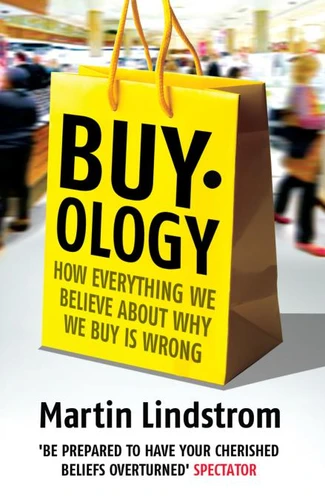
Most anti-smoking campaigns inadvertently encourage people to smoke. The scent of melons helps sell electronic products. Subliminal advertising may have been banned, but it's being used all the time. Product placement in films rarely works. Many multi-million pound advertising campaigns are a complete waste of time. These are just a few of the findings of Martin Lindstrom's groundbreaking study of what really makes consumers tick.
Convinced that there is a gulf between what we believe influences us and what actually does, he set up a highly ambitious research project that employed the very latest in brain-scanning technology and called on the services of some 2000 volunteers. Buyology shares the fruits of this research, revealing for the first time what actually goes on inside our heads when we see an advertisement, hear a marketing slogan, taste two rival brands of drink, or watch a programme sponsored by a major company.
The conclusions are both startling and groundbreaking, showing the extent to which we deceive ourselves when we think we are making considered decisions, and revealing factors as varied as childhood memories and religious belief that come together to influence our decisions and shape our tastes.
Most anti-smoking campaigns inadvertently encourage people to smoke. The scent of melons helps sell electronic products. Subliminal advertising may have been banned, but it's being used all the time. Product placement in films rarely works. Many multi-million pound advertising campaigns are a complete waste of time. These are just a few of the findings of Martin Lindstrom's groundbreaking study of what really makes consumers tick.
Convinced that there is a gulf between what we believe influences us and what actually does, he set up a highly ambitious research project that employed the very latest in brain-scanning technology and called on the services of some 2000 volunteers. Buyology shares the fruits of this research, revealing for the first time what actually goes on inside our heads when we see an advertisement, hear a marketing slogan, taste two rival brands of drink, or watch a programme sponsored by a major company.
The conclusions are both startling and groundbreaking, showing the extent to which we deceive ourselves when we think we are making considered decisions, and revealing factors as varied as childhood memories and religious belief that come together to influence our decisions and shape our tastes.

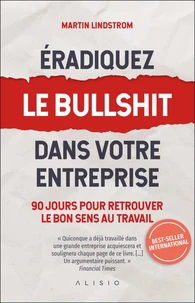
 , qui est-ce ?