SOLDES
Jusqu'à -70% sur une sélection d'articles*

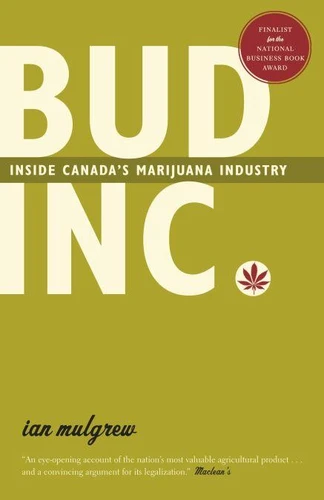
Bud Inc.
Par :Formats :
Disponible dans votre compte client Decitre ou Furet du Nord dès validation de votre commande. Le format ePub protégé est :
- Compatible avec une lecture sur My Vivlio (smartphone, tablette, ordinateur)
- Compatible avec une lecture sur liseuses Vivlio
- Pour les liseuses autres que Vivlio, vous devez utiliser le logiciel Adobe Digital Edition. Non compatible avec la lecture sur les liseuses Kindle, Remarkable et Sony
- Non compatible avec un achat hors France métropolitaine
 , qui est-ce ?
Notre partenaire de plateforme de lecture numérique où vous retrouverez l'ensemble de vos ebooks gratuitement
Pour en savoir plus sur nos ebooks, consultez notre aide en ligne ici
C'est si simple ! Lisez votre ebook avec l'app Vivlio sur votre tablette, mobile ou ordinateur :

- Nombre de pages304
- FormatePub
- ISBN978-0-307-36658-0
- EAN9780307366580
- Date de parution29/10/2010
- Protection num.Adobe DRM
- Taille2 Mo
- Infos supplémentairesepub
- ÉditeurVintage Canada
Résumé
According to Forbes magazine, * marijuana is "Canada's most valuable agricultural product - bigger than wheat, cattle or timber." Bud Inc. gives us an inside look at this thriving homegrown industry. Although the cultivation and selling of marijuana remains illegal in Canada, it is already big business, especially in British Columbia. Law enforcement officials estimate that the annual wholesale value of B.
C. marijuana is now $6 billion, about 5% of the province's total economy. If these stats are correct, it is B. C.'s largest export. Ontario and Quebec are not far behind. Vancouver journalist Ian Mulgrew has been following the rise of this underground economy for some time, and knows all the key players, political and entrepreneurial. Comparisons to the rum-runners of the Prohibition era are not unfounded.
These so-called "pot barons" are all savvy businessmen who have built their empires using tried and true business models. Cash-strapped governments, pharmaceutical companies and other big businesses are well aware of the potential profits, and Canada has been at the forefront of the global movement to legalize medical marijuana and decriminalize the recreational use of the drug. Estimates vary, but it's thought that nearly a million people in Canada could benefit from medicinal marijuana, yet only about a thousand are currently legally authorized to use it.
Many feel that marijuana should be grown, regulated and taxed like any other commodity. Following the evolution of the marijuana trade from rich kids smuggling it in their luggage, to trans-oceanic operations involving tons of dope, to today's thriving multi-billion-dollar domestic industry, Bud Inc. is a fascinating study of real-life supply-and-demand economics. *November 2003
C. marijuana is now $6 billion, about 5% of the province's total economy. If these stats are correct, it is B. C.'s largest export. Ontario and Quebec are not far behind. Vancouver journalist Ian Mulgrew has been following the rise of this underground economy for some time, and knows all the key players, political and entrepreneurial. Comparisons to the rum-runners of the Prohibition era are not unfounded.
These so-called "pot barons" are all savvy businessmen who have built their empires using tried and true business models. Cash-strapped governments, pharmaceutical companies and other big businesses are well aware of the potential profits, and Canada has been at the forefront of the global movement to legalize medical marijuana and decriminalize the recreational use of the drug. Estimates vary, but it's thought that nearly a million people in Canada could benefit from medicinal marijuana, yet only about a thousand are currently legally authorized to use it.
Many feel that marijuana should be grown, regulated and taxed like any other commodity. Following the evolution of the marijuana trade from rich kids smuggling it in their luggage, to trans-oceanic operations involving tons of dope, to today's thriving multi-billion-dollar domestic industry, Bud Inc. is a fascinating study of real-life supply-and-demand economics. *November 2003