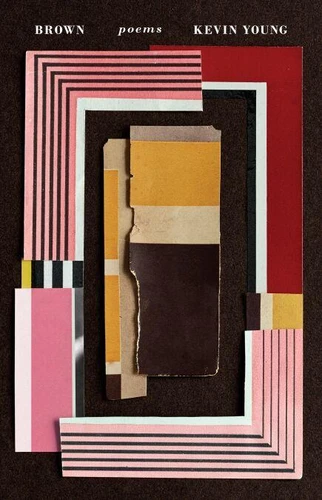
Brown. Poems
Par :Formats :
Disponible dans votre compte client Decitre ou Furet du Nord dès validation de votre commande. Le format ePub protégé est :
- Compatible avec une lecture sur My Vivlio (smartphone, tablette, ordinateur)
- Compatible avec une lecture sur liseuses Vivlio
- Pour les liseuses autres que Vivlio, vous devez utiliser le logiciel Adobe Digital Edition. Non compatible avec la lecture sur les liseuses Kindle, Remarkable et Sony
- Non compatible avec un achat hors France métropolitaine
 , qui est-ce ?
Notre partenaire de plateforme de lecture numérique où vous retrouverez l'ensemble de vos ebooks gratuitement
Pour en savoir plus sur nos ebooks, consultez notre aide en ligne ici
C'est si simple ! Lisez votre ebook avec l'app Vivlio sur votre tablette, mobile ou ordinateur :

- Nombre de pages176
- FormatePub
- ISBN978-1-5247-3255-4
- EAN9781524732554
- Date de parution17/04/2018
- Protection num.Adobe DRM
- Taille15 Mo
- Infos supplémentairesepub
- ÉditeurKnopf
Résumé
James Brown. John Brown's raid. Brown v. the Topeka Board of Ed. The prizewinning author of Blue Laws meditates on all things "brown" in this powerful new collection."Vital and sophisticated ... sinks hooks into you that cannot be easily removed." -The New York TimesDivided into "Home Recordings" and "Field Recordings, " Brown speaks to the way personal experience is shaped by culture, while culture is forever affected by the personal, recalling a black Kansas boyhood to comment on our times.
From "History"-a song of Kansas high-school fixture Mr. W., who gave his students "the Sixties / minus Malcolm X, or Watts, / barely a march on Washington"-to "Money Road, " a sobering pilgrimage to the site of Emmett Till's lynching, the poems engage place and the past and their intertwined power. These thirty-two taut poems and poetic sequences, including an oratorio based on Mississippi "barkeep, activist, waiter" Booker Wright that was performed at Carnegie Hall and the vibrant sonnet cycle "De La Soul Is Dead, " about the days when hip-hop was growing up ("we were black then, not yet / African American"), remind us that blackness and brownness tell an ongoing story.
A testament to Young's own-and our collective-experience, Brown offers beautiful, sustained harmonies from a poet whose wisdom deepens with time.
From "History"-a song of Kansas high-school fixture Mr. W., who gave his students "the Sixties / minus Malcolm X, or Watts, / barely a march on Washington"-to "Money Road, " a sobering pilgrimage to the site of Emmett Till's lynching, the poems engage place and the past and their intertwined power. These thirty-two taut poems and poetic sequences, including an oratorio based on Mississippi "barkeep, activist, waiter" Booker Wright that was performed at Carnegie Hall and the vibrant sonnet cycle "De La Soul Is Dead, " about the days when hip-hop was growing up ("we were black then, not yet / African American"), remind us that blackness and brownness tell an ongoing story.
A testament to Young's own-and our collective-experience, Brown offers beautiful, sustained harmonies from a poet whose wisdom deepens with time.