SOLDES
Jusqu'à -70% sur une sélection d'articles*

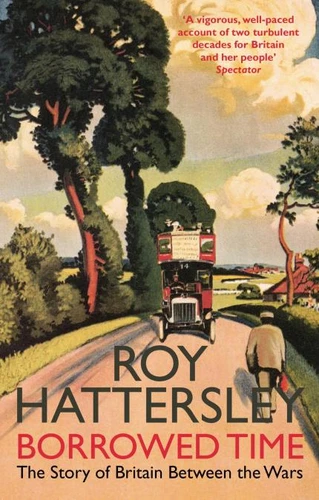
Borrowed Time. The Story of Britain Between the Wars
Par :Formats :
Disponible dans votre compte client Decitre ou Furet du Nord dès validation de votre commande. Le format ePub protégé est :
- Compatible avec une lecture sur My Vivlio (smartphone, tablette, ordinateur)
- Compatible avec une lecture sur liseuses Vivlio
- Pour les liseuses autres que Vivlio, vous devez utiliser le logiciel Adobe Digital Edition. Non compatible avec la lecture sur les liseuses Kindle, Remarkable et Sony
- Non compatible avec un achat hors France métropolitaine
 , qui est-ce ?
Notre partenaire de plateforme de lecture numérique où vous retrouverez l'ensemble de vos ebooks gratuitement
Pour en savoir plus sur nos ebooks, consultez notre aide en ligne ici
C'est si simple ! Lisez votre ebook avec l'app Vivlio sur votre tablette, mobile ou ordinateur :

- Nombre de pages464
- FormatePub
- ISBN978-0-349-14317-0
- EAN9780349143170
- Date de parution05/07/2017
- Protection num.Adobe DRM
- Infos supplémentairesepub
- ÉditeurAbacus
Résumé
Called an uneasy peace, the twenty years between the wars were a time of turmoil - Britain saw a general strike and the worst economic crisis in its history, armed rebellion in Ireland and open revolt in India, a Prime Minister's resignation and the King's abdication. Crisis followed crisis until Britain was engulfed in the Second World War - a catastrophe that could have been foreseen, possibly even prevented.
But there were also moments of triumph: England regained the Ashes and Britain ran to glory in the 'Chariots of Fire' Olympic Games; the BBC was born and became the envy of the free world; there was a renaissance in poetry, sculpture of genius, and cinema lightened the darkness for millions. However it is the politicians who failed who have really come to personify the interwar years - in particular Ramsey MacDonald and Stanley Baldwin.
Both prime ministers were better men than history allows. And Winston Churchill? Right or wrong, success or failure, he is the irrepressible force in what he called the 'years for the locusts to eat'. Hattersley's assessment of this doomed era is illuminating, entertaining and bold.
But there were also moments of triumph: England regained the Ashes and Britain ran to glory in the 'Chariots of Fire' Olympic Games; the BBC was born and became the envy of the free world; there was a renaissance in poetry, sculpture of genius, and cinema lightened the darkness for millions. However it is the politicians who failed who have really come to personify the interwar years - in particular Ramsey MacDonald and Stanley Baldwin.
Both prime ministers were better men than history allows. And Winston Churchill? Right or wrong, success or failure, he is the irrepressible force in what he called the 'years for the locusts to eat'. Hattersley's assessment of this doomed era is illuminating, entertaining and bold.
A propos de Roy Hattersley
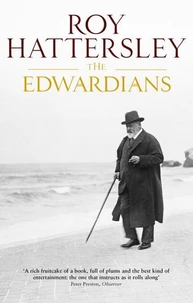
The Edwardians
E-book
3,99 €
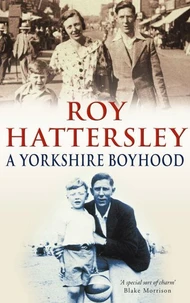
A Yorkshire Boyhood
E-book
3,99 €
3,99 €
Buster's Diaries
E-book
3,99 €
12,99 €
In Search Of England
E-book
3,99 €
3,99 €
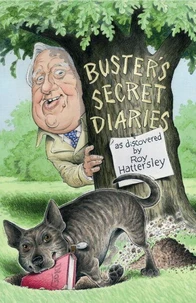
Buster's Secret Diaries
E-book
4,49 €