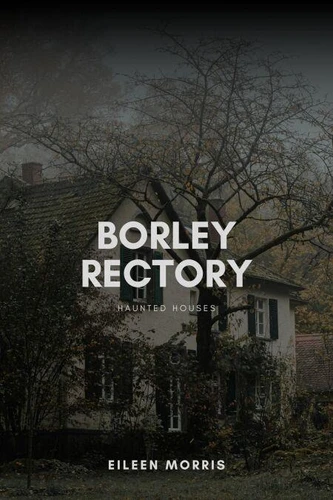
Borley Rectory became known as England's most haunted house, but its reputation was built through decades of family stories, newspaper attention, seances, wall writings, investigation and dispute. This book follows the rectory from its construction in 1862 through the Bull, Smith and Foyster households, Harry Price's lease and observer programme, the 1939 fire, excavation and demolition. It compares contemporary records with later recollections, Price's published narrative, the Society for Psychical Research's critical Borley Report and subsequent rebuttals.
Rather than choosing between legend and exposure, the manuscript shows how evidence, personality, publicity and archive-making turned a vanished Essex rectory into an enduring paranormal landmark.
Borley Rectory became known as England's most haunted house, but its reputation was built through decades of family stories, newspaper attention, seances, wall writings, investigation and dispute. This book follows the rectory from its construction in 1862 through the Bull, Smith and Foyster households, Harry Price's lease and observer programme, the 1939 fire, excavation and demolition. It compares contemporary records with later recollections, Price's published narrative, the Society for Psychical Research's critical Borley Report and subsequent rebuttals.
Rather than choosing between legend and exposure, the manuscript shows how evidence, personality, publicity and archive-making turned a vanished Essex rectory into an enduring paranormal landmark.

 , qui est-ce ?