
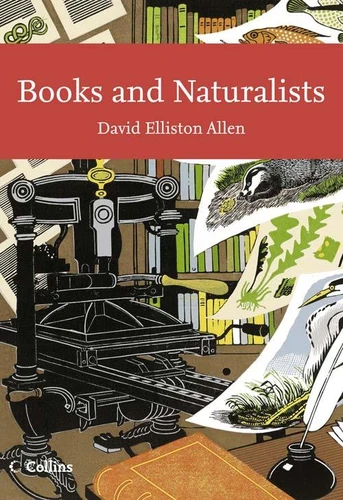
Books and Naturalists
Par :Formats :
Disponible dans votre compte client Decitre ou Furet du Nord dès validation de votre commande. Le format ePub protégé est :
- Compatible avec une lecture sur My Vivlio (smartphone, tablette, ordinateur)
- Compatible avec une lecture sur liseuses Vivlio
- Pour les liseuses autres que Vivlio, vous devez utiliser le logiciel Adobe Digital Edition. Non compatible avec la lecture sur les liseuses Kindle, Remarkable et Sony
- Non compatible avec un achat hors France métropolitaine
 , qui est-ce ?
Notre partenaire de plateforme de lecture numérique où vous retrouverez l'ensemble de vos ebooks gratuitement
Pour en savoir plus sur nos ebooks, consultez notre aide en ligne ici
C'est si simple ! Lisez votre ebook avec l'app Vivlio sur votre tablette, mobile ou ordinateur :

- Nombre de pages512
- FormatePub
- ISBN978-0-00-737973-6
- EAN9780007379736
- Date de parution24/06/2010
- Protection num.Adobe DRM
- Infos supplémentairesepub
- ÉditeurCollins
Résumé
Natural history, perhaps more than any other pursuit or study, has always relied heavily on books. Without their basic function of enabling the different kinds of animals and plants to be described in adequate detail, the subject could never have come into being and gone on to thrive as it does today.
In displaying nature's colourful diversity, books have stimulated attempts to capture the wonders of the natural world with the pencil or in paint.
They have challenged their readers to seek out and record what the countryside has to offer, and they have enabled naturalists to convey to unknown fellow spirits the excitements of 'the chase' and of unexpected discoveries. In this latest book in the highly-acclaimed New Naturalist series, David Elliston Allen explores the often complicated ways in which books on the flora and fauna of these islands have been published through the years, from the earliest days of printing through to the era of the computerised distribution atlas and the giant multinational compendium. Difficult to free from market constraints, publication in book form would have remained an elusive aim for all too many naturalists but for the regular trickle of individual publishers who have shared their delight in the subject and leant over backwards to assist it.
The important role played by these allies, the colourful backgrounds of many of the authors and the sometimes fraught relationship between the partners in a process in which the aims of business and learning do not necessarily coincide are among the many themes woven together into a fascinating account, which also breaks new ground.
They have challenged their readers to seek out and record what the countryside has to offer, and they have enabled naturalists to convey to unknown fellow spirits the excitements of 'the chase' and of unexpected discoveries. In this latest book in the highly-acclaimed New Naturalist series, David Elliston Allen explores the often complicated ways in which books on the flora and fauna of these islands have been published through the years, from the earliest days of printing through to the era of the computerised distribution atlas and the giant multinational compendium. Difficult to free from market constraints, publication in book form would have remained an elusive aim for all too many naturalists but for the regular trickle of individual publishers who have shared their delight in the subject and leant over backwards to assist it.
The important role played by these allies, the colourful backgrounds of many of the authors and the sometimes fraught relationship between the partners in a process in which the aims of business and learning do not necessarily coincide are among the many themes woven together into a fascinating account, which also breaks new ground.