SOLDES
Jusqu'à -70% sur une sélection d'articles*

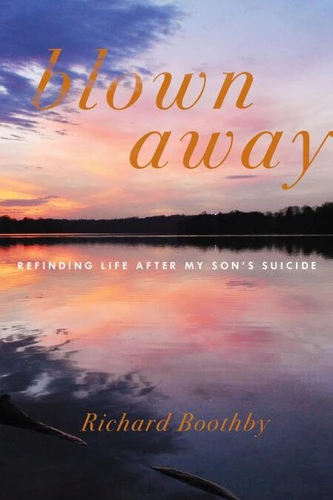
Blown Away. Refinding Life After My Son's Suicide
Par :Formats :
Disponible dans votre compte client Decitre ou Furet du Nord dès validation de votre commande. Le format ePub protégé est :
- Compatible avec une lecture sur My Vivlio (smartphone, tablette, ordinateur)
- Compatible avec une lecture sur liseuses Vivlio
- Pour les liseuses autres que Vivlio, vous devez utiliser le logiciel Adobe Digital Edition. Non compatible avec la lecture sur les liseuses Kindle, Remarkable et Sony
- Non compatible avec un achat hors France métropolitaine
 , qui est-ce ?
Notre partenaire de plateforme de lecture numérique où vous retrouverez l'ensemble de vos ebooks gratuitement
Pour en savoir plus sur nos ebooks, consultez notre aide en ligne ici
C'est si simple ! Lisez votre ebook avec l'app Vivlio sur votre tablette, mobile ou ordinateur :

- Nombre de pages320
- FormatePub
- ISBN978-1-63542-261-0
- EAN9781635422610
- Date de parution31/05/2022
- Protection num.Adobe DRM
- Taille3 Mo
- Infos supplémentairesepub
- ÉditeurOther Press
Résumé
This powerful memoir follows a father's journey to make sense of his world after losing his son to addiction and suicide. Fifteen years ago, Richard Boothby received a fateful call from his ex-wife that their twenty-three-year-old son, Oliver, was dead. Although Richard had been dreading this news, given Oliver's prolonged struggle with drug dependency, nothing could have prepared him for the devastating shock.
He became obsessed with uncovering the truth of why Oliver shot himself-had he been self-medicating an undiagnosed mental illness?-and what they could have done to prevent it. In an attempt to stem the pain, Boothby turned to psychoanalysis. He was no stranger to the concept-as a professor of philosophy, he had focused his career on the intersection between psychoanalytic theory and contemporary philosophy-but this was far from an academic exercise.
Through his time in talk therapy, as well as psychedelic experiences in a research study on psilocybin, he would gradually find a sense of acceptance of the unknown, and a renewed appreciation for life. Exploring the epidemics of substance abuse and gun violence from an intimate perspective, Boothby's poignant account of grief shows how the death of a loved one can in some ways bring us closer to them and ourselves.
He became obsessed with uncovering the truth of why Oliver shot himself-had he been self-medicating an undiagnosed mental illness?-and what they could have done to prevent it. In an attempt to stem the pain, Boothby turned to psychoanalysis. He was no stranger to the concept-as a professor of philosophy, he had focused his career on the intersection between psychoanalytic theory and contemporary philosophy-but this was far from an academic exercise.
Through his time in talk therapy, as well as psychedelic experiences in a research study on psilocybin, he would gradually find a sense of acceptance of the unknown, and a renewed appreciation for life. Exploring the epidemics of substance abuse and gun violence from an intimate perspective, Boothby's poignant account of grief shows how the death of a loved one can in some ways bring us closer to them and ourselves.