SOLDES
Jusqu'à -70% sur une sélection d'articles*

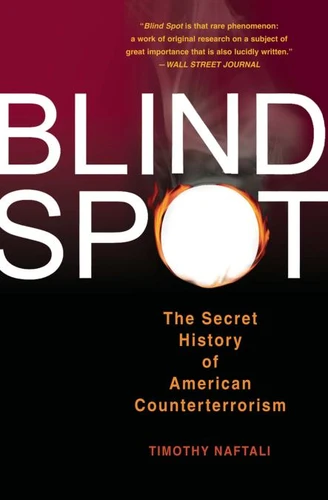
Blind Spot. The Secret History of American Counterterrorism
Par :Formats :
Disponible dans votre compte client Decitre ou Furet du Nord dès validation de votre commande. Le format ePub protégé est :
- Compatible avec une lecture sur My Vivlio (smartphone, tablette, ordinateur)
- Compatible avec une lecture sur liseuses Vivlio
- Pour les liseuses autres que Vivlio, vous devez utiliser le logiciel Adobe Digital Edition. Non compatible avec la lecture sur les liseuses Kindle, Remarkable et Sony
- Non compatible avec un achat hors France métropolitaine
 , qui est-ce ?
Notre partenaire de plateforme de lecture numérique où vous retrouverez l'ensemble de vos ebooks gratuitement
Pour en savoir plus sur nos ebooks, consultez notre aide en ligne ici
C'est si simple ! Lisez votre ebook avec l'app Vivlio sur votre tablette, mobile ou ordinateur :

- Nombre de pages432
- FormatePub
- ISBN978-0-7867-3633-1
- EAN9780786736331
- Date de parution23/04/2009
- Protection num.Adobe DRM
- Infos supplémentairesepub
- ÉditeurBasic Books
Résumé
In this revelatory new account, national security historian Timothy Naftali relates the full back story of America's attempts to fight terrorism. On September 11, 2001, a long history of failures, missteps, and blind spots in our intelligence services came to a head, with tragic results. At the end of World War II, the OSS's "X-2" department had established a seamless system for countering the threats of die-hard Nazi terrorists.
But those capabilities were soon forgotten, and it wasn't't until 1968, when Palestinian groups began a series of highly publicized airplane hijackings, that the U. S. began to take counterterrorism seriously. Naftali narrates the game of "catch-up" that various administrations and the CIA played -- with varying degrees of success -- from the Munich Games hostage-taking to the raft of terrorist incidents in the mid-1980s through the first bombing of the World Trade Center in 1993, and up to 9/11.
In riveting detail, Naftali shows why holes in U. S. homeland security discovered by Vice President George H. W. Bush in 1986 were still a problem when his son became President, and why George W. Bush did little to fix them until it was too late. Naftali concludes that open, liberal democracies like the U. S. are incapable of effectively stopping terrorism. For anyone concerned about the future of America's security, this masterful history will be necessary -- and eye-opening -- reading.
But those capabilities were soon forgotten, and it wasn't't until 1968, when Palestinian groups began a series of highly publicized airplane hijackings, that the U. S. began to take counterterrorism seriously. Naftali narrates the game of "catch-up" that various administrations and the CIA played -- with varying degrees of success -- from the Munich Games hostage-taking to the raft of terrorist incidents in the mid-1980s through the first bombing of the World Trade Center in 1993, and up to 9/11.
In riveting detail, Naftali shows why holes in U. S. homeland security discovered by Vice President George H. W. Bush in 1986 were still a problem when his son became President, and why George W. Bush did little to fix them until it was too late. Naftali concludes that open, liberal democracies like the U. S. are incapable of effectively stopping terrorism. For anyone concerned about the future of America's security, this masterful history will be necessary -- and eye-opening -- reading.