OFFRE LISEUSES
Une liseuse achetée = une housse offerte* jusqu'au 21 juin

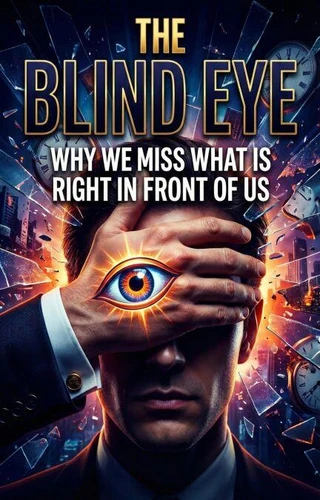
Blind Eye. Why we miss what is right in front of us
Par :Formats :
Disponible dans votre compte client Decitre ou Furet du Nord dès validation de votre commande. Le format ePub est :
- Compatible avec une lecture sur My Vivlio (smartphone, tablette, ordinateur)
- Compatible avec une lecture sur liseuses Vivlio
- Pour les liseuses autres que Vivlio, vous devez utiliser le logiciel Adobe Digital Edition. Non compatible avec la lecture sur les liseuses Kindle, Remarkable et Sony
 , qui est-ce ?
Notre partenaire de plateforme de lecture numérique où vous retrouverez l'ensemble de vos ebooks gratuitement
Pour en savoir plus sur nos ebooks, consultez notre aide en ligne ici
C'est si simple ! Lisez votre ebook avec l'app Vivlio sur votre tablette, mobile ou ordinateur :

- Nombre de pages161
- FormatePub
- ISBN978-3-565-25173-5
- EAN9783565251735
- Date de parution16/02/2026
- Protection num.pas de protection
- Taille718 Ko
- Infos supplémentairesepub
- ÉditeurEmphaloz Publishing House
Résumé
"The Blind Eye - Why we miss what is right in front of us" explores the phenomenon of "Inattentional Blindness." The most famous example is the "Invisible Gorilla" experiment by Simons and Chabris. Viewers are asked to count basketball passes. Half of them completely miss a person in a gorilla suit walking through the scene.
Psychologist Emily Clark explains why this happens. Our attention is a limited resource.
When we focus intensely on one task (counting passes), our brain literally filters out everything else, no matter how obvious. This book applies the concept to driving (why drivers "don't see" motorcycles), eyewitness testimony (why it's unreliable), and professional errors. It teaches readers to be aware of the limits of their perception and to always look twice, because seeing is not believing-it's constructing.
When we focus intensely on one task (counting passes), our brain literally filters out everything else, no matter how obvious. This book applies the concept to driving (why drivers "don't see" motorcycles), eyewitness testimony (why it's unreliable), and professional errors. It teaches readers to be aware of the limits of their perception and to always look twice, because seeing is not believing-it's constructing.