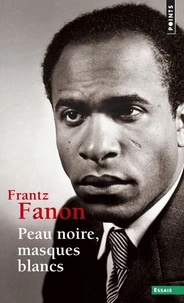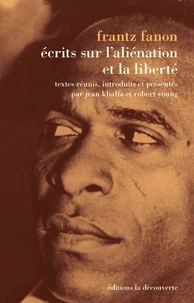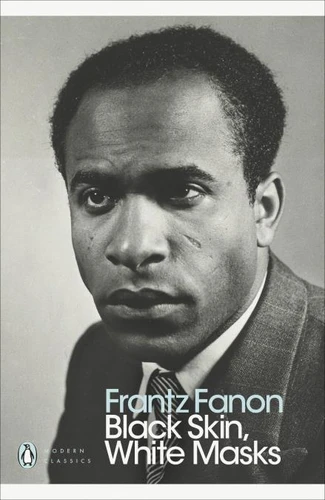
Frantz Fanon (1925-1961) was born in Martinique and studied medicine in France, specializing in psychiatry. Sent to a hospital in Algeria, he found his sympathies turning towards the Algerian Nationalist Movement, which he later joined. He is considered one of the most important theorists of the psychology of race and his books Black Skin, White Masks and The Wretched of the Earth have been extremely influential.
Black Skin, White Masks
Par : ,Formats :
Disponible dans votre compte client Decitre ou Furet du Nord dès validation de votre commande. Le format ePub protégé est :
- Compatible avec une lecture sur My Vivlio (smartphone, tablette, ordinateur)
- Compatible avec une lecture sur liseuses Vivlio
- Pour les liseuses autres que Vivlio, vous devez utiliser le logiciel Adobe Digital Edition. Non compatible avec la lecture sur les liseuses Kindle, Remarkable et Sony
- Non compatible avec un achat hors France métropolitaine
 , qui est-ce ?
Notre partenaire de plateforme de lecture numérique où vous retrouverez l'ensemble de vos ebooks gratuitement
Pour en savoir plus sur nos ebooks, consultez notre aide en ligne ici
C'est si simple ! Lisez votre ebook avec l'app Vivlio sur votre tablette, mobile ou ordinateur :

- Nombre de pages224
- FormatePub
- ISBN978-0-241-39667-4
- EAN9780241396674
- Date de parution25/03/2021
- Protection num.Adobe DRM
- Infos supplémentairesepub
- ÉditeurPENGUIN
Résumé
'This century's most compelling theorist of racism and colonialism' Angela Davis'Fanon is our contemporary ... In clear language, in words that can only have been written in the cool heat of rage, Fanon showed us the internal theatre of racism' Deborah LevyFrantz Fanon's urgent, dynamic critique of the effects of racism on the psyche is a landmark study of the black experience in a white world. Drawing on his own life and his work as a psychoanalyst to explore how colonialism's subjects internalize its prejudices, eventually emulating the 'white masks' of their oppressors, it established Fanon as a revolutionary anti-colonialist thinker.
'So hard to put down ... a brilliant, vivid and hurt mind, walking the thin line that separates effective outrage from despair' The New York Times Book Review
'So hard to put down ... a brilliant, vivid and hurt mind, walking the thin line that separates effective outrage from despair' The New York Times Book Review