
Alephy Brow é referência em livros de ficção baseado em jogos e desenhos, sobretudo de survival-horror!
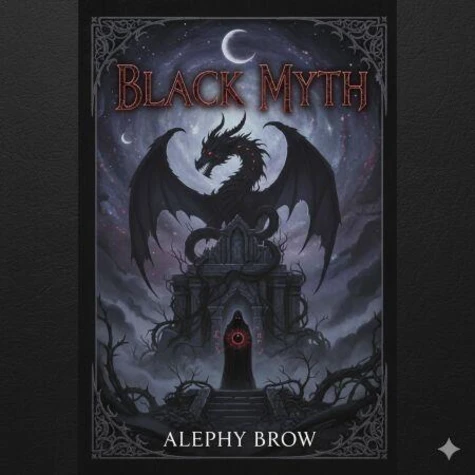
Black Mith
Par :Formats :
Disponible dans votre compte client Decitre ou Furet du Nord dès validation de votre commande. Le format ePub est :
- Compatible avec une lecture sur My Vivlio (smartphone, tablette, ordinateur)
- Compatible avec une lecture sur liseuses Vivlio
- Pour les liseuses autres que Vivlio, vous devez utiliser le logiciel Adobe Digital Edition. Non compatible avec la lecture sur les liseuses Kindle, Remarkable et Sony
 , qui est-ce ?
Notre partenaire de plateforme de lecture numérique où vous retrouverez l'ensemble de vos ebooks gratuitement
Pour en savoir plus sur nos ebooks, consultez notre aide en ligne ici
C'est si simple ! Lisez votre ebook avec l'app Vivlio sur votre tablette, mobile ou ordinateur :

- FormatePub
- ISBN8232994556
- EAN9798232994556
- Date de parution22/09/2025
- Protection num.pas de protection
- Infos supplémentairesepub
- ÉditeurDraft2Digital
Résumé
As the last flame of Wukong's torch dies in the depths of the world he defied, and the echo of his last words resounds through the mountains of an immortal realm, the legend he embodied does not dissipate into the wind. On the contrary, it spreads, growing and becoming a flame that illuminates the hearts of those who crossed his path, the players who experienced each battle, and all who dared to walk the winding paths of his mythology.
Black Myth is not limited to the boundaries of the game itself. Its message transcends the screen, infiltrating the conversations, reflections, and analyses of those who, like Wukong himself, seek meaning in the most epic adventures. The Monkey King, a symbol of power, wisdom, and self-improvement, has become more than a character: he is now a cultural icon representing the eternal search for truth, understanding, and redemption.
His name will echo through generations, inspiring not only fans of the game, but all those who desire to transcend their limitations and embrace the immortality of the soul. The game, with its rich tapestry of Chinese mythology and Eastern philosophy, became a portal to a vast universe, where every choice Wukong made resonated deeply in the spirits of those who controlled him. The complex existential questions he raised, the doubts he shared, and the victories he achieved are lessons that transcend fiction.
What Black Myth accomplished, more than anything else, was reminding us that we are all, in some way, like Wukong-searching, transforming, shaped by what we face, but defined by the choices we make.
Black Myth is not limited to the boundaries of the game itself. Its message transcends the screen, infiltrating the conversations, reflections, and analyses of those who, like Wukong himself, seek meaning in the most epic adventures. The Monkey King, a symbol of power, wisdom, and self-improvement, has become more than a character: he is now a cultural icon representing the eternal search for truth, understanding, and redemption.
His name will echo through generations, inspiring not only fans of the game, but all those who desire to transcend their limitations and embrace the immortality of the soul. The game, with its rich tapestry of Chinese mythology and Eastern philosophy, became a portal to a vast universe, where every choice Wukong made resonated deeply in the spirits of those who controlled him. The complex existential questions he raised, the doubts he shared, and the victories he achieved are lessons that transcend fiction.
What Black Myth accomplished, more than anything else, was reminding us that we are all, in some way, like Wukong-searching, transforming, shaped by what we face, but defined by the choices we make.
A propos de ALEPHY BROW
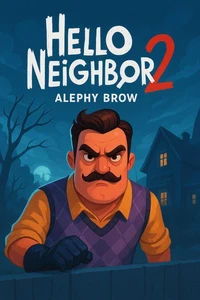
Hello Neighbor 2
E-book
8,49 €

8,49 €
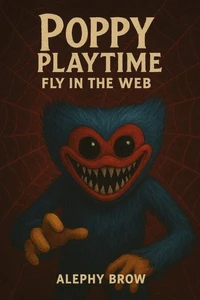
8,49 €
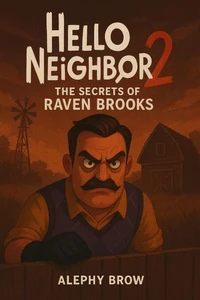
8,49 €
7,99 €
4,49 €

8,49 €



Doors Robloxp
E-book
8,99 €

九槍之傳說
E-book
8,99 €

Mundo Curioso
E-book
3,49 €

5,99 €