SOLDES
Jusqu'à -70% sur une sélection d'articles*

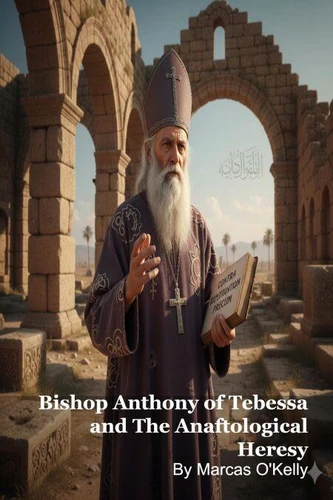
Bishop Anthony of Tebessa and The Anaftological Heresy
Par :Formats :
Disponible dans votre compte client Decitre ou Furet du Nord dès validation de votre commande. Le format ePub est :
- Compatible avec une lecture sur My Vivlio (smartphone, tablette, ordinateur)
- Compatible avec une lecture sur liseuses Vivlio
- Pour les liseuses autres que Vivlio, vous devez utiliser le logiciel Adobe Digital Edition. Non compatible avec la lecture sur les liseuses Kindle, Remarkable et Sony
 , qui est-ce ?
Notre partenaire de plateforme de lecture numérique où vous retrouverez l'ensemble de vos ebooks gratuitement
Pour en savoir plus sur nos ebooks, consultez notre aide en ligne ici
C'est si simple ! Lisez votre ebook avec l'app Vivlio sur votre tablette, mobile ou ordinateur :

- FormatePub
- ISBN8215503485
- EAN9798215503485
- Date de parution23/01/2026
- Protection num.pas de protection
- Infos supplémentairesepub
- ÉditeurWMG Publishing
Résumé
Bishop Anthony of Tebessa and The Anaftological Heresy This comprehensive historical study examines one of Christianity's most obscure yet fascinating heresies: Anaftologism, which emerged in tenth-century North Africa under Bishop Anthony of Tebessa. The movement denied the personal character of the Holy Spirit, understanding it instead as divine force or energy rather than as the third person of the Trinity.
Despite swift condemnation by both Rome and Constantinople, this heresy flourished for nearly four centuries, becoming the defining characteristic of interior North African Christianity and intertwining itself with regional Punic identity. The work traces Anaftologism from its theological origins through its political patronage by the Tarkhanid Empire, its survival after state collapse, and its eventual disappearance as Christian communities converted to Islam.
Drawing on fragmentary chronicles and archaeological evidence, the book reconstructs not only the theological disputes but also the lived experience of believers who understood worship and spiritual life through this distinctive pneumatology. The study reveals how political power shapes theological outcomes, how regional identities resist universal orthodoxies, and how seemingly abstract doctrinal disputes have profound consequences for religious communities' survival.
This forgotten chapter of Christian history illuminates enduring tensions between local and universal expressions of faith.
Despite swift condemnation by both Rome and Constantinople, this heresy flourished for nearly four centuries, becoming the defining characteristic of interior North African Christianity and intertwining itself with regional Punic identity. The work traces Anaftologism from its theological origins through its political patronage by the Tarkhanid Empire, its survival after state collapse, and its eventual disappearance as Christian communities converted to Islam.
Drawing on fragmentary chronicles and archaeological evidence, the book reconstructs not only the theological disputes but also the lived experience of believers who understood worship and spiritual life through this distinctive pneumatology. The study reveals how political power shapes theological outcomes, how regional identities resist universal orthodoxies, and how seemingly abstract doctrinal disputes have profound consequences for religious communities' survival.
This forgotten chapter of Christian history illuminates enduring tensions between local and universal expressions of faith.