
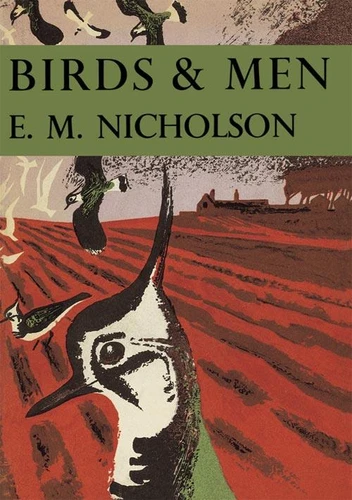
Birds and Men
Par :Formats :
Disponible dans votre compte client Decitre ou Furet du Nord dès validation de votre commande. Le format ePub protégé est :
- Compatible avec une lecture sur My Vivlio (smartphone, tablette, ordinateur)
- Compatible avec une lecture sur liseuses Vivlio
- Pour les liseuses autres que Vivlio, vous devez utiliser le logiciel Adobe Digital Edition. Non compatible avec la lecture sur les liseuses Kindle, Remarkable et Sony
- Non compatible avec un achat hors France métropolitaine
 , qui est-ce ?
Notre partenaire de plateforme de lecture numérique où vous retrouverez l'ensemble de vos ebooks gratuitement
Pour en savoir plus sur nos ebooks, consultez notre aide en ligne ici
C'est si simple ! Lisez votre ebook avec l'app Vivlio sur votre tablette, mobile ou ordinateur :

- Nombre de pages272
- FormatePub
- ISBN978-0-00-740615-9
- EAN9780007406159
- Date de parution31/05/2012
- Protection num.Adobe DRM
- Infos supplémentairesepub
- ÉditeurCollins
Résumé
Revealing the impact of civilisation upon our bird life, with particular reference to the species that have come to rely largely on types of habitat greatly modified or actually formed by human action. This edition is exclusive to newnaturalists.com
This, the first book on birds in the New Naturalist main series, is undoubtedly one of the most important contributions to the literature of British ornithology of recent years.
Its subject is the impact of civilisation upon our bird life, with particular reference to the species that have come to rely largely on types of habitat greatly modified or actually formed by human action. Mr. Nicholson is already well known to many for his popularisation of the scientific study of birds as a means of their protection, and it is not surprising, therefore, that this volume should also be concerned with the ways in which birds and men can live happily together. Readers will be delighted by his combination of the aesthetic approach with serious criticism, and particularly by the note of optimism in the book - the suggestion that not all the works of man are fated to destroy nature, and that some of them are likely to improve the quality and variety of our birds.
From the ornithological point of view, we have an interesting half-century before us. It is extremely probable that at the end of it BIRDS AND MEN will still be widely read, and quarried for facts and conclusions by the next generation of naturalists.
Its subject is the impact of civilisation upon our bird life, with particular reference to the species that have come to rely largely on types of habitat greatly modified or actually formed by human action. Mr. Nicholson is already well known to many for his popularisation of the scientific study of birds as a means of their protection, and it is not surprising, therefore, that this volume should also be concerned with the ways in which birds and men can live happily together. Readers will be delighted by his combination of the aesthetic approach with serious criticism, and particularly by the note of optimism in the book - the suggestion that not all the works of man are fated to destroy nature, and that some of them are likely to improve the quality and variety of our birds.
From the ornithological point of view, we have an interesting half-century before us. It is extremely probable that at the end of it BIRDS AND MEN will still be widely read, and quarried for facts and conclusions by the next generation of naturalists.