Biological Warfare. Exploring the History and Implications of Biological Weapons
Par :Formats :
Disponible dans votre compte client Decitre ou Furet du Nord dès validation de votre commande. Le format ePub est :
- Compatible avec une lecture sur My Vivlio (smartphone, tablette, ordinateur)
- Compatible avec une lecture sur liseuses Vivlio
- Pour les liseuses autres que Vivlio, vous devez utiliser le logiciel Adobe Digital Edition. Non compatible avec la lecture sur les liseuses Kindle, Remarkable et Sony
 , qui est-ce ?
Notre partenaire de plateforme de lecture numérique où vous retrouverez l'ensemble de vos ebooks gratuitement
Pour en savoir plus sur nos ebooks, consultez notre aide en ligne ici
C'est si simple ! Lisez votre ebook avec l'app Vivlio sur votre tablette, mobile ou ordinateur :

- Nombre de pages226
- FormatePub
- ISBN859-65--4781245-6
- EAN8596547812456
- Date de parution16/01/2024
- Protection num.Digital Watermarking
- Taille1 Mo
- Infos supplémentairesepub
- ÉditeurGOOD PRESS
Résumé
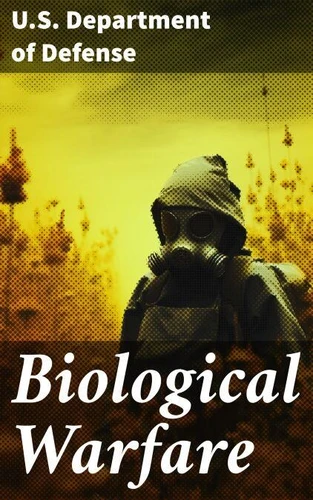
In "Biological Warfare, " the U. S. Department of Defense presents a comprehensive analysis of the strategies, implications, and ethics surrounding the use of biological agents in conflict. This authoritative text delves into the historical context of biological warfare, tracing its roots from ancient practices to modern-day applications. The prose is meticulously crafted, combining empirical research with clear, pragmatic language, making it accessible to both scholars and lay readers.
The book critically examines case studies and military doctrines, emphasizing the evolving nature of biological threats in contemporary warfare and the importance of preparedness and regulation within the global arena. The U. S. Department of Defense, as the esteemed authority on national security, draws upon extensive research, military history, and real-world intelligence to inform this vital discourse.
Their focus on biological warfare reflects growing concerns about bioterrorism and state-sponsored biological agents, rooted in the complexities and paradoxes of modern security dilemmas. By grounding their analysis in both scientific and strategic frameworks, the authors highlight the urgent need for an informed approach to this multifaceted threat. This book is a crucial resource for policymakers, military strategists, and scholars in the fields of defense studies and international relations.
It not only broadens the understanding of biological warfare's potential consequences but also urges readers to consider the moral and ethical dimensions of employing such tactics in today'Äôs interconnected world.
The book critically examines case studies and military doctrines, emphasizing the evolving nature of biological threats in contemporary warfare and the importance of preparedness and regulation within the global arena. The U. S. Department of Defense, as the esteemed authority on national security, draws upon extensive research, military history, and real-world intelligence to inform this vital discourse.
Their focus on biological warfare reflects growing concerns about bioterrorism and state-sponsored biological agents, rooted in the complexities and paradoxes of modern security dilemmas. By grounding their analysis in both scientific and strategic frameworks, the authors highlight the urgent need for an informed approach to this multifaceted threat. This book is a crucial resource for policymakers, military strategists, and scholars in the fields of defense studies and international relations.
It not only broadens the understanding of biological warfare's potential consequences but also urges readers to consider the moral and ethical dimensions of employing such tactics in today'Äôs interconnected world.