SOLDES
Jusqu'à -70% sur une sélection d'articles*

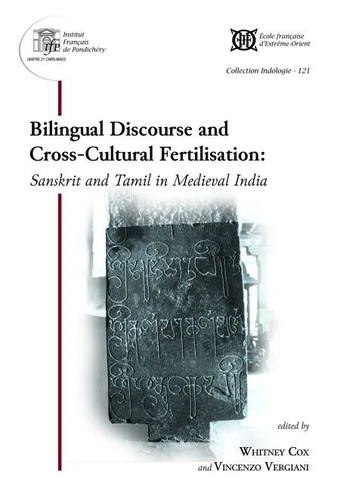
Bilingual discourse and cross-cultural fertilisation: Sanskrit and Tamil in medieval India
Par : ,Formats :
Disponible dans votre compte client Decitre ou Furet du Nord dès validation de votre commande. Le format Multi-format est :
- Pour les liseuses autres que Vivlio, vous devez utiliser le logiciel Adobe Digital Edition. Non compatible avec la lecture sur les liseuses Kindle, Remarkable et Sony
 , qui est-ce ?
Notre partenaire de plateforme de lecture numérique où vous retrouverez l'ensemble de vos ebooks gratuitement
Pour en savoir plus sur nos ebooks, consultez notre aide en ligne ici
C'est si simple ! Lisez votre ebook avec l'app Vivlio sur votre tablette, mobile ou ordinateur :

- Nombre de pages476
- FormatMulti-format
- ISBN979-10-365-4433-0
- EAN9791036544330
- Date de parution30/06/2020
- Protection num.pas de protection
- Infos supplémentairesMulti-Format
- ÉditeurInstitut français de Pondichéry
Résumé
This collection of essays aims to trace the exchanges, responses, affinities and fissures between the worlds of Sanskrit and Tamil literary cultures in the medieval period. The literati who produced the works in these languages moved freely between domains that earlier Indological scholarship has tended to compartmentalise. The eleven studies presented in this volume strive to move beyond this narrow perspective and thus do justice to the richness and complexity of the cultural synthesis that took shape in South India in this period.
By looking at the articulation of identities, practices, and discourses in texts of a range of genres composed in Tamil and Sanskrit (as well as Prakrit and Malayalam), these essays supply a picture of South India in the medieval period that is unique in its historical depth and conceptual complexity and demonstrate innovative ways to investigate and problematise cross-cultural phenomena, while suggesting how much work yet remains to be done.
By looking at the articulation of identities, practices, and discourses in texts of a range of genres composed in Tamil and Sanskrit (as well as Prakrit and Malayalam), these essays supply a picture of South India in the medieval period that is unique in its historical depth and conceptual complexity and demonstrate innovative ways to investigate and problematise cross-cultural phenomena, while suggesting how much work yet remains to be done.