SOLDES
Jusqu'à -70% sur une sélection d'articles*

Nouveauté
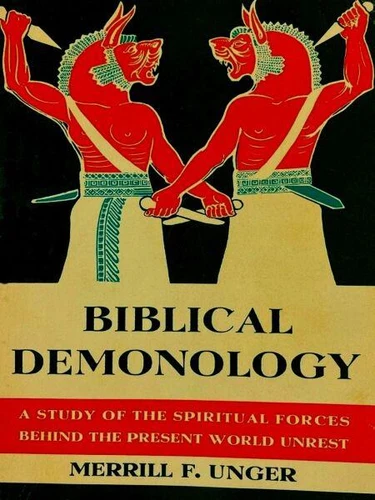
Biblical Demonology: A Study of the Spiritual Forces Behind the Present World Unrest
Par :Formats :
Disponible dans votre compte client Decitre ou Furet du Nord dès validation de votre commande. Le format ePub est :
- Compatible avec une lecture sur My Vivlio (smartphone, tablette, ordinateur)
- Compatible avec une lecture sur liseuses Vivlio
- Pour les liseuses autres que Vivlio, vous devez utiliser le logiciel Adobe Digital Edition. Non compatible avec la lecture sur les liseuses Kindle, Remarkable et Sony
 , qui est-ce ?
Notre partenaire de plateforme de lecture numérique où vous retrouverez l'ensemble de vos ebooks gratuitement
Pour en savoir plus sur nos ebooks, consultez notre aide en ligne ici
C'est si simple ! Lisez votre ebook avec l'app Vivlio sur votre tablette, mobile ou ordinateur :

- FormatePub
- ISBN8902439233
- EAN9798902439233
- Date de parution29/06/2026
- Protection num.Digital Watermarking
- Taille225 Ko
- Infos supplémentairesepub
- ÉditeurRare Treasure Editions
Résumé
''Biblical Demonology: A Study of the Spiritual Forces Behind the Present World Unrest'' is a classic theological text written by renowned evangelical scholar Merrill F. Unger and originally published in 1952. It serves as a comprehensive, systematic scriptural analysis of Satan, fallen angels, and demonic activity. It directly addresses how unseen entities influence human governments, world history, and individual lives.
Unger argues against both naïve superstition (popular culture myths) and hyper-skepticism (naturalism which denies the supernatural). He advocates for a sober, strictly biblical methodology. The book outlines how demonic forces rarely resort to full bodily possession. They primarily operate through temptation, deception, and the subversion of human thoughts. Written in the wake of World War II, a major thesis of the book is that unseen evil personalities are just as active in human governments and historical conflicts as visible political agents.
The final focus centers on the absolute authority of Jesus Christ and the Holy Scriptures to shield believers and overcome demonic oppression.
Unger argues against both naïve superstition (popular culture myths) and hyper-skepticism (naturalism which denies the supernatural). He advocates for a sober, strictly biblical methodology. The book outlines how demonic forces rarely resort to full bodily possession. They primarily operate through temptation, deception, and the subversion of human thoughts. Written in the wake of World War II, a major thesis of the book is that unseen evil personalities are just as active in human governments and historical conflicts as visible political agents.
The final focus centers on the absolute authority of Jesus Christ and the Holy Scriptures to shield believers and overcome demonic oppression.