SOLDES
Jusqu'à -70% sur une sélection d'articles*

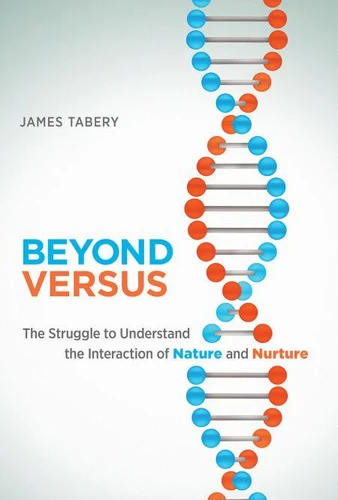
Beyond Versus. The Struggle to Understand the Interaction of Nature and Nurture
Par :Formats :
Disponible dans votre compte client Decitre ou Furet du Nord dès validation de votre commande. Le format ePub protégé est :
- Compatible avec une lecture sur My Vivlio (smartphone, tablette, ordinateur)
- Compatible avec une lecture sur liseuses Vivlio
- Pour les liseuses autres que Vivlio, vous devez utiliser le logiciel Adobe Digital Edition. Non compatible avec la lecture sur les liseuses Kindle, Remarkable et Sony
- Non compatible avec un achat hors France métropolitaine
 , qui est-ce ?
Notre partenaire de plateforme de lecture numérique où vous retrouverez l'ensemble de vos ebooks gratuitement
Pour en savoir plus sur nos ebooks, consultez notre aide en ligne ici
C'est si simple ! Lisez votre ebook avec l'app Vivlio sur votre tablette, mobile ou ordinateur :

- Nombre de pages296
- FormatePub
- ISBN978-0-262-32415-1
- EAN9780262324151
- Date de parution23/05/2014
- Protection num.Adobe DRM
- Taille2 Mo
- Infos supplémentairesepub
- ÉditeurThe MIT Press
Résumé
Why the "nature versus nurture" debate persists despite widespread recognition that human traits arise from the interaction of nature and nurture. If everyone now agrees that human traits arise not from nature or nurture but from the interaction of nature and nurture, why does the "nature versus nurture" debate persist? In Beyond Versus, James Tabery argues that the persistence stems from a century-long struggle to understand the interaction of nature and nurture-a struggle to define what the interaction of nature and nurture is, how it should be investigated, and what counts as evidence for it.
Tabery examines past episodes in the nature versus nurture debates, offers a contemporary philosophical perspective on them, and considers the future of research on the interaction of nature and nurture. From the eugenics controversy of the 1930s and the race and IQ controversy of the 1970s to the twenty-first-century debate over the causes of depression, Tabery argues, the polarization in these discussions can be attributed to what he calls an "explanatory divide"-a disagreement over how explanation works in science, which in turn has created two very different concepts of interaction.
Drawing on recent developments in the philosophy of science, Tabery offers a way to bridge this explanatory divide and these different concepts integratively. Looking to the future, Tabery evaluates the ethical issues that surround genetic testing for genes implicated in interactions of nature and nurture, pointing to what the future does (and does not) hold for a science that continues to make headlines and raise controversy.
Tabery examines past episodes in the nature versus nurture debates, offers a contemporary philosophical perspective on them, and considers the future of research on the interaction of nature and nurture. From the eugenics controversy of the 1930s and the race and IQ controversy of the 1970s to the twenty-first-century debate over the causes of depression, Tabery argues, the polarization in these discussions can be attributed to what he calls an "explanatory divide"-a disagreement over how explanation works in science, which in turn has created two very different concepts of interaction.
Drawing on recent developments in the philosophy of science, Tabery offers a way to bridge this explanatory divide and these different concepts integratively. Looking to the future, Tabery evaluates the ethical issues that surround genetic testing for genes implicated in interactions of nature and nurture, pointing to what the future does (and does not) hold for a science that continues to make headlines and raise controversy.