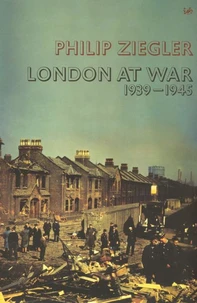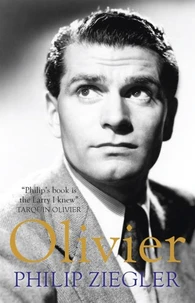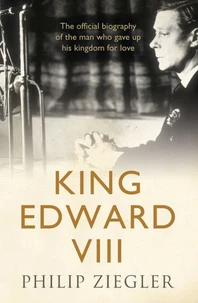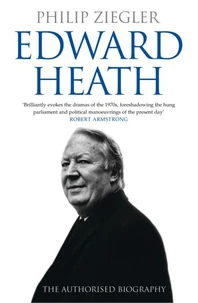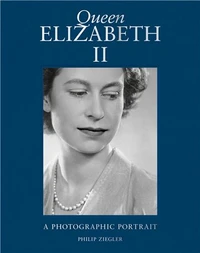
Philip Ziegler was a diplomat before becoming an editorial director at the publishers William Collins. His many books include acclaimed biographies of Laurence Olivier, William IV, Lady Diana Cooper, Lord Mountbatten and Harold Wilson, as well as the classic history of the Black Death.
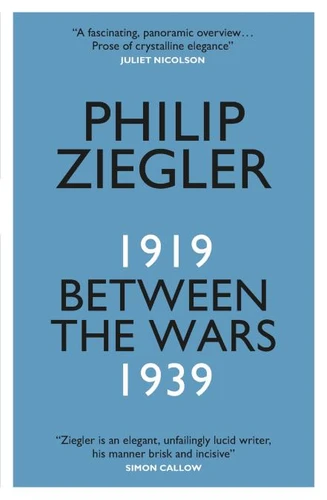
Between the Wars. 1919–1939
Par :Formats :
Disponible dans votre compte client Decitre ou Furet du Nord dès validation de votre commande. Le format ePub protégé est :
- Compatible avec une lecture sur My Vivlio (smartphone, tablette, ordinateur)
- Compatible avec une lecture sur liseuses Vivlio
- Pour les liseuses autres que Vivlio, vous devez utiliser le logiciel Adobe Digital Edition. Non compatible avec la lecture sur les liseuses Kindle, Remarkable et Sony
- Non compatible avec un achat hors France métropolitaine
 , qui est-ce ?
Notre partenaire de plateforme de lecture numérique où vous retrouverez l'ensemble de vos ebooks gratuitement
Pour en savoir plus sur nos ebooks, consultez notre aide en ligne ici
C'est si simple ! Lisez votre ebook avec l'app Vivlio sur votre tablette, mobile ou ordinateur :

- Nombre de pages304
- FormatePub
- ISBN978-0-85705-524-8
- EAN9780857055248
- Date de parution05/10/2016
- Protection num.Adobe DRM
- Infos supplémentairesepub
- ÉditeurMacLehose Press
Résumé
At the end of 1918 one prescient American historian began to write a history of the Great War. "What will you call it?" he was asked. "The First World War, " was his bleak response. In Between the Wars Philip Ziegler examines the major international turning points - cultural and social as well as political and military - that led the world from one war to another. His approach is panoramic, touching on all parts of the world where history was being made, examining Gandhi's March to the Sea and the Chaco War in South America alongside Hitler's rise to power.
It is the tragic story of a world determined that the horrors of the First World War would never be repeated, yet committed to a path which in hindsight was inevitably destined to end in a second, even more devastating conflict. Each chapter bears the unmistakable stamp of Ziegler's scholarship: a keen eye for the telling anecdote, elegant and fluid prose, and calm and fair judgments. In a world that grows ever more uncertain, its perspective on how hopes of peace can dissolve into the promise of war becomes more relevant with each passing day.
It is the tragic story of a world determined that the horrors of the First World War would never be repeated, yet committed to a path which in hindsight was inevitably destined to end in a second, even more devastating conflict. Each chapter bears the unmistakable stamp of Ziegler's scholarship: a keen eye for the telling anecdote, elegant and fluid prose, and calm and fair judgments. In a world that grows ever more uncertain, its perspective on how hopes of peace can dissolve into the promise of war becomes more relevant with each passing day.