SOLDES
Jusqu'à -70% sur une sélection d'articles*

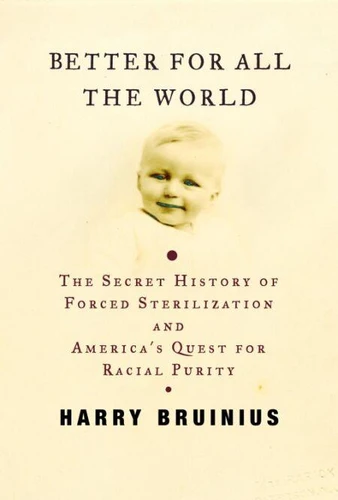
Better for All the World. The Secret History of Forced Sterilization and America's Quest for Racial Purity
Par :Formats :
Disponible dans votre compte client Decitre ou Furet du Nord dès validation de votre commande. Le format ePub protégé est :
- Compatible avec une lecture sur My Vivlio (smartphone, tablette, ordinateur)
- Compatible avec une lecture sur liseuses Vivlio
- Pour les liseuses autres que Vivlio, vous devez utiliser le logiciel Adobe Digital Edition. Non compatible avec la lecture sur les liseuses Kindle, Remarkable et Sony
- Non compatible avec un achat hors France métropolitaine
 , qui est-ce ?
Notre partenaire de plateforme de lecture numérique où vous retrouverez l'ensemble de vos ebooks gratuitement
Pour en savoir plus sur nos ebooks, consultez notre aide en ligne ici
C'est si simple ! Lisez votre ebook avec l'app Vivlio sur votre tablette, mobile ou ordinateur :

- Nombre de pages416
- FormatePub
- ISBN978-0-307-42496-9
- EAN9780307424969
- Date de parution18/12/2007
- Protection num.Adobe DRM
- Taille3 Mo
- Infos supplémentairesepub
- ÉditeurVintage
Résumé
A timely and gripping history of the controversial eugenics movement in America-and the scientists, social reformers and progressives who supported it. In Better for All the World, Harry Bruinius charts the little known history of eugenics in America-a movement that began in the early twentieth century and resulted in the forced sterilization of more than 65, 000 people. Bruinius tells the stories of Emma and Carrie Buck, two women trapped in poverty who became the test case in the 1927 supreme court decision allowing forced sterilization for those deemed unfit to procreate.
From the reformers who turned local charities into government-run welfare systems promoting social and moral purity, to the influence the American policies had on Nazi Germany's development of "racial hygiene, " Bruinius masterfully exposes the players and legislation behind one of America's darkest secrets.
From the reformers who turned local charities into government-run welfare systems promoting social and moral purity, to the influence the American policies had on Nazi Germany's development of "racial hygiene, " Bruinius masterfully exposes the players and legislation behind one of America's darkest secrets.