Behind the Control Room
Par :Formats :
Disponible dans votre compte client Decitre ou Furet du Nord dès validation de votre commande. Le format ePub est :
- Compatible avec une lecture sur My Vivlio (smartphone, tablette, ordinateur)
- Compatible avec une lecture sur liseuses Vivlio
- Pour les liseuses autres que Vivlio, vous devez utiliser le logiciel Adobe Digital Edition. Non compatible avec la lecture sur les liseuses Kindle, Remarkable et Sony
 , qui est-ce ?
Notre partenaire de plateforme de lecture numérique où vous retrouverez l'ensemble de vos ebooks gratuitement
Pour en savoir plus sur nos ebooks, consultez notre aide en ligne ici
C'est si simple ! Lisez votre ebook avec l'app Vivlio sur votre tablette, mobile ou ordinateur :

- FormatePub
- ISBN8994195543
- EAN9798994195543
- Date de parution16/02/2026
- Protection num.pas de protection
- Infos supplémentairesepub
- ÉditeurGroupe Business Thérapie
Résumé
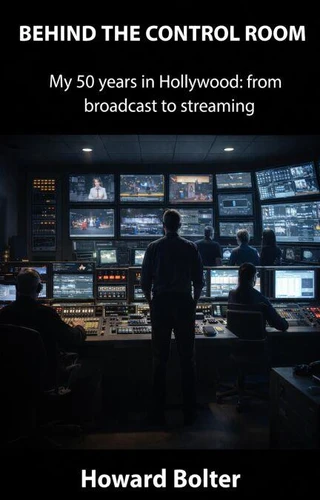
Television doesn't happen by accident. Every broadcast, every live show, every channel launch depends on people working behind the scenes-solving problems under pressure, making decisions no one ever sees, and keeping everything on the air when there is no margin for error. In Behind the Control Room, Howard Bolter takes readers inside a fifty-year career spent building television from the ground up.
From his early days working on stages to the launch of cable channels, international networks, and the first wave of streaming platforms, Bolter lived the evolution of the industry from the inside-often in moments where there was no script and no second take. Along the way, he worked with network personalities, studio veterans, and executives shaping the future of television, navigating live broadcasts, technical failures, and high-stakes decisions that rarely make it on screen. This is not a celebrity memoir.
It's the story of the people who actually make television work. Through firsthand accounts of live productions, unexpected career turns, industry inflection points, and the quiet leadership required to keep things moving, Behind the Control Room reveals how shows really get made-and how technology, timing, and human judgment shape what millions of viewers ultimately experience. Part memoir, part industry history, this book offers a rare, candid look at television as a craft, a business, and a constantly evolving machine-told by someone who spent decades inside the control rooms, studios, and boardrooms where it all comes together. Whether you work in media, study broadcasting, or have ever wondered what happens off camera when everything is on the line, Behind the Control Room pulls back the curtain on an industry that rarely documents itself-and on a career spent making television work when it mattered most.
From his early days working on stages to the launch of cable channels, international networks, and the first wave of streaming platforms, Bolter lived the evolution of the industry from the inside-often in moments where there was no script and no second take. Along the way, he worked with network personalities, studio veterans, and executives shaping the future of television, navigating live broadcasts, technical failures, and high-stakes decisions that rarely make it on screen. This is not a celebrity memoir.
It's the story of the people who actually make television work. Through firsthand accounts of live productions, unexpected career turns, industry inflection points, and the quiet leadership required to keep things moving, Behind the Control Room reveals how shows really get made-and how technology, timing, and human judgment shape what millions of viewers ultimately experience. Part memoir, part industry history, this book offers a rare, candid look at television as a craft, a business, and a constantly evolving machine-told by someone who spent decades inside the control rooms, studios, and boardrooms where it all comes together. Whether you work in media, study broadcasting, or have ever wondered what happens off camera when everything is on the line, Behind the Control Room pulls back the curtain on an industry that rarely documents itself-and on a career spent making television work when it mattered most.