SOLDES
Jusqu'à -70% sur une sélection d'articles*

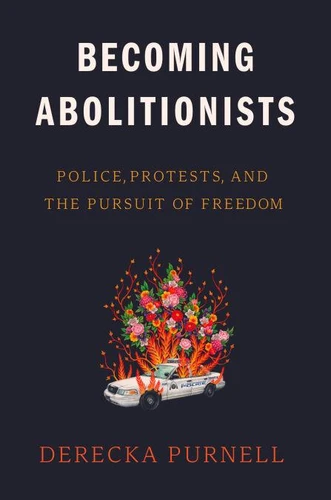
Becoming Abolitionists. Police, Protests, and the Pursuit of Freedom
Par :Formats :
Disponible dans votre compte client Decitre ou Furet du Nord dès validation de votre commande. Le format ePub protégé est :
- Compatible avec une lecture sur My Vivlio (smartphone, tablette, ordinateur)
- Compatible avec une lecture sur liseuses Vivlio
- Pour les liseuses autres que Vivlio, vous devez utiliser le logiciel Adobe Digital Edition. Non compatible avec la lecture sur les liseuses Kindle, Remarkable et Sony
- Non compatible avec un achat hors France métropolitaine
 , qui est-ce ?
Notre partenaire de plateforme de lecture numérique où vous retrouverez l'ensemble de vos ebooks gratuitement
Pour en savoir plus sur nos ebooks, consultez notre aide en ligne ici
C'est si simple ! Lisez votre ebook avec l'app Vivlio sur votre tablette, mobile ou ordinateur :

- Nombre de pages288
- FormatePub
- ISBN978-1-6626-0052-4
- EAN9781662600524
- Date de parution05/10/2021
- Protection num.Adobe DRM
- Taille999 Ko
- Infos supplémentairesepub
- ÉditeurAstra House
Résumé
A NONAME BOOK CLUB PICK Named a Kirkus Reviews "Best Book of 2021" "Becoming Abolitionists is ultimately about the importance of asking questions and our ability to create answers. And in the end, Purnell makes it clear that abolition is a labor of love-one that we can accomplish together if only we decide to."-Nia Evans, Boston ReviewFor more than a century, activists in the United States have tried to reform the police.
From community policing initiatives to increasing diversity, none of it has stopped the police from killing about three people a day. Millions of people continue to protest police violence because these "solutions" do not match the problem: the police cannot be reformed. In Becoming Abolitionists, Purnell draws from her experiences as a lawyer, writer, and organizer initially skeptical about police abolition.
She saw too much sexual violence and buried too many friends to consider getting rid of police in her hometown of St. Louis, let alone the nation. But the police were a placebo. Calling them felt like something, and something feels like everything when the other option seems like nothing. Purnell details how multi-racial social movements rooted in rebellion, risk-taking, and revolutionary love pushed her and a generation of activists toward abolition.
The book travels across geography and time, and offers lessons that activists have learned from Ferguson to South Africa, from Reconstruction to contemporary protests against police shootings. Here, Purnell argues that police can not be reformed and invites readers to envision new systems that work to address the root causes of violence. Becoming Abolitionists shows that abolition is not solely about getting rid of police, but a commitment to create and support different answers to the problem of harm in society, and, most excitingly, an opportunity to reduce and eliminate harm in the first place.
From community policing initiatives to increasing diversity, none of it has stopped the police from killing about three people a day. Millions of people continue to protest police violence because these "solutions" do not match the problem: the police cannot be reformed. In Becoming Abolitionists, Purnell draws from her experiences as a lawyer, writer, and organizer initially skeptical about police abolition.
She saw too much sexual violence and buried too many friends to consider getting rid of police in her hometown of St. Louis, let alone the nation. But the police were a placebo. Calling them felt like something, and something feels like everything when the other option seems like nothing. Purnell details how multi-racial social movements rooted in rebellion, risk-taking, and revolutionary love pushed her and a generation of activists toward abolition.
The book travels across geography and time, and offers lessons that activists have learned from Ferguson to South Africa, from Reconstruction to contemporary protests against police shootings. Here, Purnell argues that police can not be reformed and invites readers to envision new systems that work to address the root causes of violence. Becoming Abolitionists shows that abolition is not solely about getting rid of police, but a commitment to create and support different answers to the problem of harm in society, and, most excitingly, an opportunity to reduce and eliminate harm in the first place.