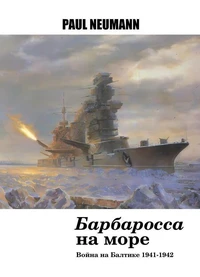
The naval warfare in the Baltic Sea during 1941-1942 was of profound strategic significance, as it directly enabled the German siége of Leningrad by neutralizing the Soviet Baltic Fleet and transforming its surviving ships into immobile, yet vital, coastal artillery batteries. At the war's outset, the Soviet Baltic Fleet was a formidable force, but it was caught off-guard by the swift German advance and the extensive minefields laid by the Kriegsmarine and Finnish Navy.
The campaign's pivotal moment was the dramatic Soviet evacuation from Tallinn to Kronstadt in late August 1941. The Axis navies had saturated the Gulf of Finland with over 60, 000 mines, creating one of the densest mine barrages in naval history. However, despite miscalculations in pre-war naval construction and the loss of key naval bases and ships, the Baltic Fleet remained steadfast, halted the enemy advance, and played an active role in the defence of Leningrad and the Kronstadt forts.
By defending the naval bases at Liepaja, Hanko, Tallin, and the islands of the Moonsund archipelago, the fleet held back substantial enemy forces for a long time, thereby weakening their assault on Leningrad, and blunted the final German assault on the city. Furthermore, Baltic Fleet sailors were formed into naval infantry brigades and sent to fight on the land front, crucially reinforcing the defences.
Therefore, while the Axis naval forces succeeded in their immediate goal of containing the Soviet fleet, the strategic outcome was paradoxical: the very act of bottling up that fleet converted its heavy firepower into a cornerstone of Leningrad's defence, prolonging the siége and tying down German Army Group North for over two years. This book is the first part of the comprehensive episode-by-episode record of those dramatic events that are generally unknown to the Western and American public.
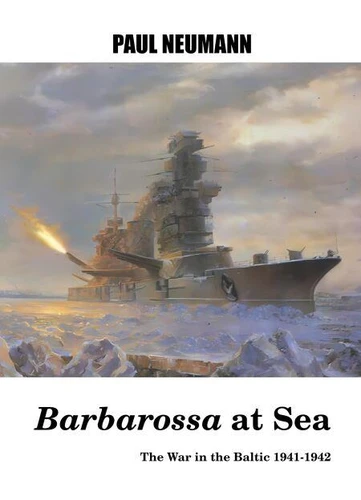
The naval warfare in the Baltic Sea during 1941-1942 was of profound strategic significance, as it directly enabled the German siége of Leningrad by neutralizing the Soviet Baltic Fleet and transforming its surviving ships into immobile, yet vital, coastal artillery batteries. At the war's outset, the Soviet Baltic Fleet was a formidable force, but it was caught off-guard by the swift German advance and the extensive minefields laid by the Kriegsmarine and Finnish Navy.
The campaign's pivotal moment was the dramatic Soviet evacuation from Tallinn to Kronstadt in late August 1941. The Axis navies had saturated the Gulf of Finland with over 60, 000 mines, creating one of the densest mine barrages in naval history. However, despite miscalculations in pre-war naval construction and the loss of key naval bases and ships, the Baltic Fleet remained steadfast, halted the enemy advance, and played an active role in the defence of Leningrad and the Kronstadt forts.
By defending the naval bases at Liepaja, Hanko, Tallin, and the islands of the Moonsund archipelago, the fleet held back substantial enemy forces for a long time, thereby weakening their assault on Leningrad, and blunted the final German assault on the city. Furthermore, Baltic Fleet sailors were formed into naval infantry brigades and sent to fight on the land front, crucially reinforcing the defences.
Therefore, while the Axis naval forces succeeded in their immediate goal of containing the Soviet fleet, the strategic outcome was paradoxical: the very act of bottling up that fleet converted its heavy firepower into a cornerstone of Leningrad's defence, prolonging the siége and tying down German Army Group North for over two years. This book is the first part of the comprehensive episode-by-episode record of those dramatic events that are generally unknown to the Western and American public.


 , qui est-ce ?