SOLDES
Jusqu'à -70% sur une sélection d'articles*

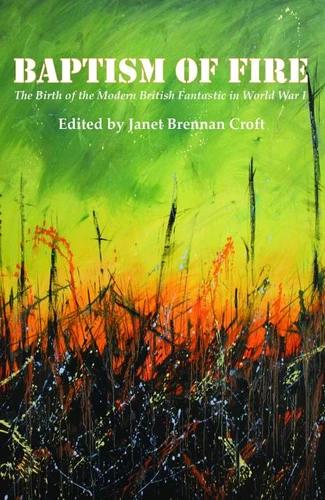
Baptism of Fire: The Birth of the Modern British Fantastic in World War I
Par :Formats :
Disponible dans votre compte client Decitre ou Furet du Nord dès validation de votre commande. Le format ePub est :
- Compatible avec une lecture sur My Vivlio (smartphone, tablette, ordinateur)
- Compatible avec une lecture sur liseuses Vivlio
- Pour les liseuses autres que Vivlio, vous devez utiliser le logiciel Adobe Digital Edition. Non compatible avec la lecture sur les liseuses Kindle, Remarkable et Sony
 , qui est-ce ?
Notre partenaire de plateforme de lecture numérique où vous retrouverez l'ensemble de vos ebooks gratuitement
Pour en savoir plus sur nos ebooks, consultez notre aide en ligne ici
C'est si simple ! Lisez votre ebook avec l'app Vivlio sur votre tablette, mobile ou ordinateur :

- FormatePub
- ISBN978-1-887726-13-9
- EAN9781887726139
- Date de parution04/07/2015
- Protection num.pas de protection
- Infos supplémentairesepub
- ÉditeurMythPress
Résumé
World War I has been called "the poets' war, " as it was characterized by a massive outpouring of works of literature during and after the war. Much of this literary harvest, as Paul Fussell brilliantly demonstrated in The Great War and Modern Memory, hinged on an ironic response to the deadly absurdities of World War I. Yet, Fussell also acknowledges that fantasy could be a legitimate literary response to the war, a way of transforming the horrible experiences of the war into something more bearable, applicable, and relevant; into myth and "Escape" in the sense that Tolkien used the term in "On Fairy-stories." This present volume sprang from a desire to examine selected examples of the fantastic response to World War I among British authors.
The contents comprise a mix of five classic articles from the pages of Mythlore and twelve new essays. The first half of the book considers the Inklings, the Oxford literary group centered on J. R. R. Tolkien and C. S. Lewis, while the second half deals with other authors.
The contents comprise a mix of five classic articles from the pages of Mythlore and twelve new essays. The first half of the book considers the Inklings, the Oxford literary group centered on J. R. R. Tolkien and C. S. Lewis, while the second half deals with other authors.