SOLDES
Jusqu'à -70% sur une sélection d'articles*

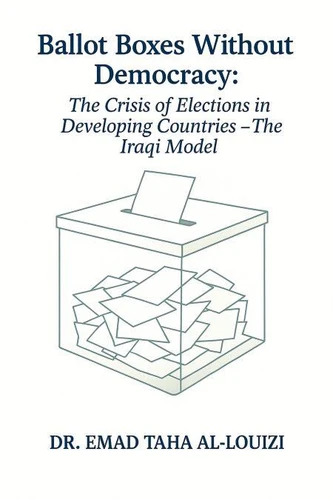
Ballot Boxes Without Democracy The Crisis of Elections in Developing Countries – The Iraqi Model
Par :Formats :
Disponible dans votre compte client Decitre ou Furet du Nord dès validation de votre commande. Le format ePub est :
- Compatible avec une lecture sur My Vivlio (smartphone, tablette, ordinateur)
- Compatible avec une lecture sur liseuses Vivlio
- Pour les liseuses autres que Vivlio, vous devez utiliser le logiciel Adobe Digital Edition. Non compatible avec la lecture sur les liseuses Kindle, Remarkable et Sony
 , qui est-ce ?
Notre partenaire de plateforme de lecture numérique où vous retrouverez l'ensemble de vos ebooks gratuitement
Pour en savoir plus sur nos ebooks, consultez notre aide en ligne ici
C'est si simple ! Lisez votre ebook avec l'app Vivlio sur votre tablette, mobile ou ordinateur :

- FormatePub
- ISBN8232516093
- EAN9798232516093
- Date de parution20/09/2025
- Protection num.pas de protection
- Infos supplémentairesepub
- ÉditeurDraft2Digital
Résumé
Ballot Boxes Without Democracy: The Crisis of Elections in Developing Countries - The Iraqi ModelIn many developing countries, elections are celebrated as the cornerstone of democracy. Yet behind the colorful banners and crowded ballot boxes lies a harsher reality: elections often fail to produce competent leadership or genuine reform. Instead, they become instruments for recycling the same elites, manipulated by money, tribal loyalties, narrow interests, and political bargains.
This book offers a critical exploration of why democratic elections in fragile states often lead to disappointing outcomes. Using Iraq as a central case study, it exposes how post-2003 elections, despite high expectations, were marred by corruption, sectarianism, vote-buying, and predetermined results. The study highlights how power and resources are distributed through patronage networks rather than merit, leaving citizens disillusioned and excluded.
Written in a clear and compelling style, the book goes beyond Iraq to shed light on broader challenges faced across the Global South. It is a resource for scholars, students, policymakers, and all readers interested in understanding why democracy, as practiced in developing contexts, often fails to deliver its promises. A thought-provoking analysis that asks: Can ballot boxes alone bring true democracy, or is a deeper transformation required?
This book offers a critical exploration of why democratic elections in fragile states often lead to disappointing outcomes. Using Iraq as a central case study, it exposes how post-2003 elections, despite high expectations, were marred by corruption, sectarianism, vote-buying, and predetermined results. The study highlights how power and resources are distributed through patronage networks rather than merit, leaving citizens disillusioned and excluded.
Written in a clear and compelling style, the book goes beyond Iraq to shed light on broader challenges faced across the Global South. It is a resource for scholars, students, policymakers, and all readers interested in understanding why democracy, as practiced in developing contexts, often fails to deliver its promises. A thought-provoking analysis that asks: Can ballot boxes alone bring true democracy, or is a deeper transformation required?