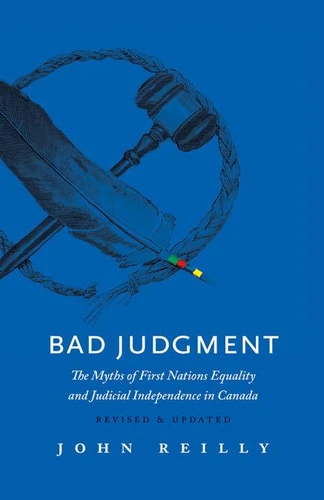
This revised and updated edition looks at the future of the Canadian legal and political systems as they relate to this country's indigenous communities. During John Reilly's more than 30-year career with the Provincial Court of Alberta he became interested in how the Canadian judicial system dealt with Indigenous societies. He saw the failure of the "white" legal system to do justice for First Nation peoples, the harm caused to them by Canadian colonialism, and the failure of all levels of government, including tribal leadership, to alleviate their suffering and deal with the conflicting natures of European-style law and Indigenous tradition and circumstance.
As a result, Judge Reilly vowed to improve the delivery of justice to the Indigenous people in his community, and he used his perceived power as a jurist to positively influence their lives. Along the way he came into direct conflict with Canadian judicial administration and various questionable leaders among the echelons of both Canadian and First Nation governments. With the latest news and updates related to the ongoing struggle, Bad Judgment tells the story of this conflict and the impact it had upon Reilly's opinion of his country, his chosen profession and the future of Indigenous justice in Canada.
This revised and updated edition looks at the future of the Canadian legal and political systems as they relate to this country's indigenous communities. During John Reilly's more than 30-year career with the Provincial Court of Alberta he became interested in how the Canadian judicial system dealt with Indigenous societies. He saw the failure of the "white" legal system to do justice for First Nation peoples, the harm caused to them by Canadian colonialism, and the failure of all levels of government, including tribal leadership, to alleviate their suffering and deal with the conflicting natures of European-style law and Indigenous tradition and circumstance.
As a result, Judge Reilly vowed to improve the delivery of justice to the Indigenous people in his community, and he used his perceived power as a jurist to positively influence their lives. Along the way he came into direct conflict with Canadian judicial administration and various questionable leaders among the echelons of both Canadian and First Nation governments. With the latest news and updates related to the ongoing struggle, Bad Judgment tells the story of this conflict and the impact it had upon Reilly's opinion of his country, his chosen profession and the future of Indigenous justice in Canada.