SOLDES
Jusqu'à -70% sur une sélection d'articles*

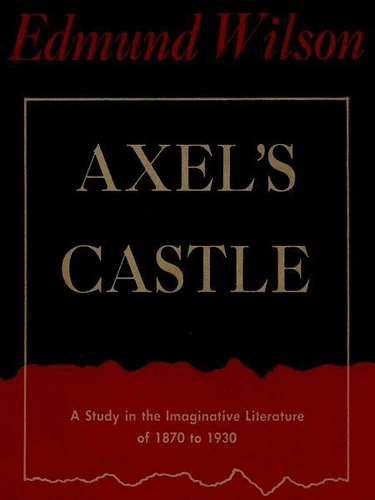
Axel's Castle: A Study of the Imaginative Literature of 1870-1930
Par :Formats :
Disponible dans votre compte client Decitre ou Furet du Nord dès validation de votre commande. Le format ePub est :
- Compatible avec une lecture sur My Vivlio (smartphone, tablette, ordinateur)
- Compatible avec une lecture sur liseuses Vivlio
- Pour les liseuses autres que Vivlio, vous devez utiliser le logiciel Adobe Digital Edition. Non compatible avec la lecture sur les liseuses Kindle, Remarkable et Sony
 , qui est-ce ?
Notre partenaire de plateforme de lecture numérique où vous retrouverez l'ensemble de vos ebooks gratuitement
Pour en savoir plus sur nos ebooks, consultez notre aide en ligne ici
C'est si simple ! Lisez votre ebook avec l'app Vivlio sur votre tablette, mobile ou ordinateur :

- Date de parution01/01/2027
- FormatePub
- ISBN8902437741
- EAN9798902437741
- Protection num.Digital Watermarking
- Taille215 Ko
- Infos supplémentairesepub
- ÉditeurRare Treasure Editions
Résumé
Published in 1931, ''Axel's Castle: A Study in the Imaginative Literature of 1870-1930'' is a foundational work of literary criticism by Edmund Wilson. It is widely recognized for tracing the origins and development of the Symbolist movement and its profound influence on 20th-century Modernist literature.
The book's title is derived from the play Axël (1890) by Villiers de l'Isle-Adam. The character of Count Axël represents a total retreat from reality into a "castle" of private fantasy and art, which Wilson uses as a metaphor for the Symbolist tendency toward individualism and linguistic isolation.
Wilson argues that Modernism was essentially a second wave of Symbolism, reacting against the scientific "fact-based" approach of 19th-century Naturalism.
He explores how writers developed private languages and symbols to express their internal feelings, which often resulted in works that were brilliant but difficult to decipher.
While Wilson deeply admired these writers, he also criticized the "Axël" impulse-the danger of art becoming so detached from common reality and social concerns that it loses its vitality.