SOLDES
Jusqu'à -70% sur une sélection d'articles*

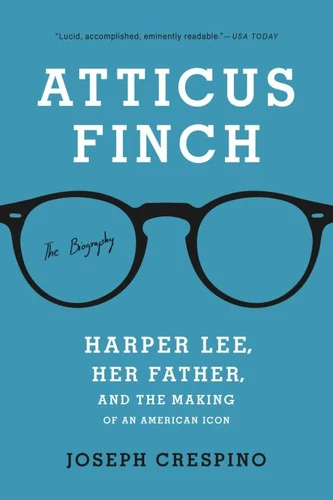
Atticus Finch. The Biography
Par :Formats :
Disponible dans votre compte client Decitre ou Furet du Nord dès validation de votre commande. Le format ePub protégé est :
- Compatible avec une lecture sur My Vivlio (smartphone, tablette, ordinateur)
- Compatible avec une lecture sur liseuses Vivlio
- Pour les liseuses autres que Vivlio, vous devez utiliser le logiciel Adobe Digital Edition. Non compatible avec la lecture sur les liseuses Kindle, Remarkable et Sony
- Non compatible avec un achat hors France métropolitaine
 , qui est-ce ?
Notre partenaire de plateforme de lecture numérique où vous retrouverez l'ensemble de vos ebooks gratuitement
Pour en savoir plus sur nos ebooks, consultez notre aide en ligne ici
C'est si simple ! Lisez votre ebook avec l'app Vivlio sur votre tablette, mobile ou ordinateur :

- Nombre de pages272
- FormatePub
- ISBN978-1-5416-4495-3
- EAN9781541644953
- Date de parution07/05/2018
- Protection num.Adobe DRM
- Infos supplémentairesepub
- ÉditeurBasic Books
Résumé
Who was the real Atticus Finch? A prize-winning historian reveals the man behind the legend The publication of Go Set a Watchman in 2015 forever changed how we think about Atticus Finch. Once seen as a paragon of decency, he was reduced to a small-town racist. How are we to understand this transformation? In Atticus Finch, historian Joseph Crespino draws on exclusive sources to reveal how Harper Lee's father provided the central inspiration for each of her books.
A lawyer and newspaperman, A. C. Lee was a principled opponent of mob rule, yet he was also a racial paternalist. Harper Lee created the Atticus of Watchman out of the ambivalence she felt toward white southerners like him. But when a militant segregationist movement arose that mocked his values, she revised the character in To Kill a Mockingbird to defend her father and to remind the South of its best traditions.
A story of family and literature amid the upheavals of the twentieth century, Atticus Finch is essential to understanding Harper Lee, her novels, and her times.
A lawyer and newspaperman, A. C. Lee was a principled opponent of mob rule, yet he was also a racial paternalist. Harper Lee created the Atticus of Watchman out of the ambivalence she felt toward white southerners like him. But when a militant segregationist movement arose that mocked his values, she revised the character in To Kill a Mockingbird to defend her father and to remind the South of its best traditions.
A story of family and literature amid the upheavals of the twentieth century, Atticus Finch is essential to understanding Harper Lee, her novels, and her times.