Honouring the scholarship of Métis matriarchs
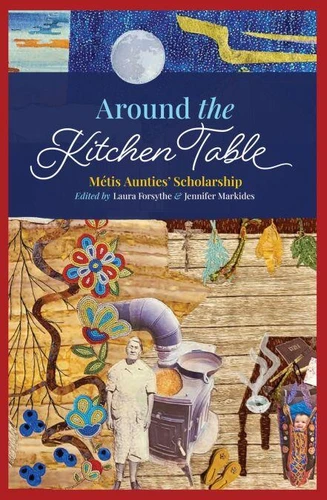
While surveying the field of Indigenous studies, Laura Forsythe and Jennifer Markides recognized a critical need for not only a Métis-focused volume, but one dedicated to the contributions of Métis women. To address this need, they brought together work by new and established scholars, artists, storytellers, and community leaders that reflects the diversity of research created by Métis women as it is lived, considered, conceptualized, and re-imagined.
With writing by Emma LaRocque and other forerunners of Métis studies, Around the Kitchen Table looks beyond the patriarchy to document and celebrate the scholarship of Métis women.
Focusing on experiences in post-secondary environments, this collection necessarily traverses a range of methodologies. Spanning disciplines of social work, education, history, health care, urban studies, sociology, archaeology, and governance, contributors bring their own stories to explorations of spirituality, material culture, colonialism, land-based education, sexuality, language, and representation.
The result is an expansive, heartfelt, and accessible community of Métis thought.
Reverent and revelatory, this collection centres the strong aunties and grandmothers who have shaped Métis communities, culture, and identities with teachings shared in classrooms, auditoriums, and around the kitchen table.
Honouring the scholarship of Métis matriarchs
While surveying the field of Indigenous studies, Laura Forsythe and Jennifer Markides recognized a critical need for not only a Métis-focused volume, but one dedicated to the contributions of Métis women. To address this need, they brought together work by new and established scholars, artists, storytellers, and community leaders that reflects the diversity of research created by Métis women as it is lived, considered, conceptualized, and re-imagined.
With writing by Emma LaRocque and other forerunners of Métis studies, Around the Kitchen Table looks beyond the patriarchy to document and celebrate the scholarship of Métis women.
Focusing on experiences in post-secondary environments, this collection necessarily traverses a range of methodologies. Spanning disciplines of social work, education, history, health care, urban studies, sociology, archaeology, and governance, contributors bring their own stories to explorations of spirituality, material culture, colonialism, land-based education, sexuality, language, and representation.
The result is an expansive, heartfelt, and accessible community of Métis thought.
Reverent and revelatory, this collection centres the strong aunties and grandmothers who have shaped Métis communities, culture, and identities with teachings shared in classrooms, auditoriums, and around the kitchen table.

 , qui est-ce ?
